Categories
Uncategorized

The Religion of Quraysh | Istighatha & Tawassul p. 4

I.                    THE RELIGION OF QURAYSH

The Qur’an was Revealed to the Prophet Muhammad in order to teach the Message of Tawhid, submission to Allah, and to purify the souls of mankind. To do so, it had to counter several groups that were misguided in one or all of these central areas. The immediate audience comprised: the Jews, the Christians, the munafiqin, and the mushrikun of Quraysh.

The Qur’anic dialogue against shirk primarily concerns this last group. While there is some criticism of the Christian trinity, deification of ‘Isa, and deification of Maryam – this is not the primary critique of shirk in the Qur’an. The primary critique of shirk is against Quraysh.

Therefore, in order to understand what constitutes shirk, we must understand the Qur’an is criticizing in Qurayshi religion. By understanding what constitutes beliefs or actions of shirk as exemplified in Qurayshi religion, we can better understand what Allah has demarcated as ‘ibadah that belongs only to Him. Understanding the religion of Quraysh is therefore the cornerstone of understanding shirk, ‘ibadah, Tawhid, Iman, Islam, Ihsan and then determining when takfir is justified.

Predictably, the Ash’aris and the Salafis disagree on the issue of Quraysh’s religion. Ash’aris, and the Hanbalis who agreed with them, postulate that Quraysh were a purely polytheistic people who believed in different Lords with power over the universe.

According to the Salafi Sa’udi scholar Sultan al-‘Umayri,

حقيقة شرك العرب:

من المتفق عليه بين المؤرخين أن العرب لم يكونوا متفقين على دين واحد، وإنما كانوا أحزابًا مختلفة وأديانًا متنوعة، ومع ذلك فلا شك أن العرب في الجاهلية كانوا مشركين في عبادة الله تعالى، وأما فيما يتعلق بربوبية الله فإن الأصل المشهور أن أكثرهم – ومنهم قريش – يقرّ بأصوله الكلية، كالخلق والملك والتدبير، ونصّ على هذا المعنى عدد من العلماء، من لدن الصحابة ومن جاء بعدهم.

The Reality of the Arabs’ Shirk (Polytheism)

It is agreed upon among historians that the Arabs were not united upon one religion; rather, they were various groups with different sects and religions. Despite that, there is no doubt that the Arabs in the Jahiliyyah (pre-Islamic period) were polytheists in their worship of Allah Most High. As for their belief regarding Allah’s Lordship (rubūbiyyah), the predominant and famous view is that most of them – including Quraysh – affirmed its general foundations, such as creation, ownership, and governance. Many scholars have stated this meaning, from the Companions and those who came after them. [i]

Salafis argue that Quraysh were henotheists, a kind of religion wherein a supreme Creator God is acknowledged but lesser deities are worshipped to draw closer to this God.

The debate between the Ash’aris and Salafis on this issue may be summarized as: Were Quraysh henotheists (one supreme God plus sub-deities) or outright polytheists?

a.   The Ash’ari View of Polytheism

1.     Polytheism defined

The definition of polytheism is: believing in a pantheon of independent gods, each governing a domain of the universe. This does not necessitate that the gods were co-equal, but simply that each major god had some kind of independent control. The Ash’aris and sympathetic Hanabila believe that Quraysh were polytheistic. This view is articulated by Hatim al-‘Awni,

فمن صرف شيئًا من خصائص الربوبية لغير الله تعالى، على وجه الاستقلال، أو منازعة السلطان، وانتقاص حكم الله تعالى، فذلك هو الشرك.

وبهٰذا يتضح أنني أريد التنبيه إلى أمرٍ مهم، وهو أن لصرف خصائص الربوبية لغير الله تعالى صورتين:

الصورة الأولى: اعتقاد استقلال أحدٍ غير الله تعالى بشيءٍ من تلك الخصائص، وهو شركٌ صريح، وهي صورة اعتقاد تعدّد الآلهة.
ومثاله: بعض الأديان الوثنية والشرْكية التي تُوزّع خصائص الربوبية على أربابٍ عديدين، كآلهة اليونانيين المزعومة.
وهذه الصورة هي الصورة المشهورة للشرك، والمستحضرة في أذهان كثير من الباحثين، وفي تأصيل كثير من المدارس العقدية المتأخرة، دون الالتفات إلى الصورة التالية.

الصورة الثانية: اعتقاد وجود من ينازع الخالق، المالك، المدبّر خلقه أو ملكه أو تدبيره بغير رضاه الكامل، وإذنه التام، أو ينتقص إرادته التامة في شيءٍ من ذلك؛ فهو أيضًا شركٌ صريح، وإن اعترف صاحبه بأن الله تعالى هو الخالق المالك المدبّر؛ لأن هذا الانتقاص يُعارض الانفراد بتلك الخصائص، وينافي الكمال المطلق.

كما كان عند كثير من عرب الجاهلية، من أنهم يقرّون بأن الله تعالى هو الخالق، الرازق، المدبّر، لكنهم يتصوّرون لآلهتهم قدرةً على التأثير في أمر هذا الرب.
قال تعالى حاكيًا عنهم:
{وَلَئِن سَأَلْتَهُم مَّنْ خَلَقَ السَّمَاوَاتِ وَالْأَرْضَ وَسَخَّرَ الشَّمْسَ وَالْقَمَرَ لَيَقُولُنَّ اللَّهُ}
وقال تعالى:
{وَلَئِن سَأَلْتَهُم مَّن نَّزَّلَ مِنَ السَّمَاءِ مَاءً فَأَحْيَا بِهِ الْأَرْضَ مِن بَعْدِ مَوْتِهَا لَيَقُولُنَّ اللَّهُ}،
{قُلِ الْحَمْدُ لِلَّهِ بَلْ أَكْثَرُهُمْ لَا يَعْقِلُونَ}

لكنهم مع ذلك يتصوّرون أن لآلهتهم قدرةً في التأثير على أمر الرب، على نحوٍ باطل، كتصوّر الوزراء مع الملك.
فالملك هو المالك، لكن الوزراء لهم سلطاتٌ واسعة، وأوامر نافذة، لا يستطيع الملك نفسه (ولو في بعض الأحيان) أن يردّ عليهم أمرهم.
فهم وإن كانوا تحت ملك هذا الملك، لكن لهم أثرًا قويًا في تصريف المملكة.
والملك مضطر لتلبية طلباتهم، لحاجته إليهم – ولو أحيانًا.
تعالى الله عن ذلك علوًا كبيرًا.

“So, whoever attributes any lordly attributes to other than Allāh the Most High, and defines that being as being separate and unique, or having the ability to challenge Allāh’s kingdoms or rules, then he is a mushrik.

“At this point I would like to point out something critical, that this attribution can take two forms:

“Firstly: the belief that an individual is independent from Allāh concerning an attribute that is unique to his lordship, then this is clear shirk. This is the situation that necessitates the belief of numerous deities. For example, idolatrous polytheistic religions that attribute qualities of lordship to a number of different deities, similar to the Greek gods.

“This is the common image of shirk, the one that most modern polemic schools of thought base their thoughts off of, without taking the following, second image in mind.

“Secondly: the belief that there is a being present that has the ability to challenge:

  • the creator in his creation or
  • the owner of this kingdom in his ownership or
  • the one who manages all affairs in how he manages those affairs

“Without need of his complete acceptance or permission.

  • Or that being has the ability to:
  • Take from his divine will

“This would also be considered shirk, even if the person that holds this belief also believes that Allāh the Most High is the creator, the owner of this kingdom and the one who manages all affairs. This is because this ability to take from His will opposes the characteristic of true sovereignty through those attributes of lordship, and nullify absolute perfection.

“This is what many of the Arabs of jāhilīyah believed, that Allāh the Most High was the creator, provider and the one who manages all affairs as in,

وَلَئِن سَأَلتَهُم مَن خَلَقَ السَّماواتِ وَالأَرضَ لَيَقولُنَّ اللَّهُ

(If you [Prophet] ask them, ‘Who created the heavens and earth?’ they are sure to answer, ‘Allāh’) (39:38)

and

وَلَئِن سَأَلتَهُم مَن نَزَّلَ مِنَ السَّماءِ ماءً فَأَحيا بِهِ الأَرضَ مِن بَعدِ مَوتِها لَيَقولُنَّ اللَّهُ ۚ قُلِ الحَمدُ لِلَّهِ ۚ بَل أَكثَرُهُم لا يَعقِلونَ

(If you ask them, ‘Who sends water down from the sky and gives life with it to the earth are it has died?’ they are sure to say, ‘Allāh.’ Say, ‘Praise belongs to Allāh!’ Truly, most of them do not use their reason.) (29:63).

“But, they believed that these deities had an effect on this lord’s abilities and commands. The conditions of the Arabs of jāhilīyah in their shirk ridden perverted image was similar to that of a king and his viceroys. The kingdom was for its owner, but the viceroys had authority and major roles in state affairs. The owner himself could not completely override his viceroys, even if it was only sometimes. Even though the kingdom was technically under his control, they still had a great influence on state affairs, and he would be compelled to submit to their requests, due to his need of them, even if occasionally.

“Allāh is greater than such a primitive need.”[ii]

Indeed, Quraysh did not regard any one idol as all-powerful or all-knowing. Some of them even doubted Allah could hear them. Allah repudiates these notions in verses such as,

إِن تَدعوهُم لا يَسمَعوا دُعاءَكُم وَلَو سَمِعوا مَا استَجابوا لَكُم ۖ وَيَومَ القِيامَةِ يَكفُرونَ بِشِركِكُم ۚ وَلا يُنَبِّئُكَ مِثلُ خَبيرٍ

If you invoke them they will not hear your invocation, and even if they heard they cannot respond to you, and on the Day of Resurrection they will forswear your polytheism, and none can inform you like the One who is all-aware.[iii]

Yet, this is still a form of polytheism – as absolute power and authority is not vested in one central God. This is contrasted with henotheism, wherein subordinate deities are ultimately at the mercy of the central God. The Ash’aris took that Quraysh were polytheistic as the Qur’an is full of reproaches to polytheism, repudiating the Quraysh for polytheism.

2.     Evidences of Polytheism

To the benefit of the Ash’ari argument, there are numerous clear evidences of outright polytheism among Quraysh. Allah refutes Quraysh for assigning partners to Him,

هُوَ اللَّهُ الَّذي لا إِلٰهَ إِلّا هُوَ المَلِكُ القُدّوسُ السَّلامُ المُؤمِنُ المُهَيمِنُ العَزيزُ الجَبّارُ المُتَكَبِّرُ ۚ سُبحانَ اللَّهِ عَمّا يُشرِكونَ

He is Allah—there is no god except Him— the Sovereign, the All-holy, the All-benign, the Securer, the All-conserver, the All-mighty, the All-compeller, the All-magnanimous. Clear is Allah of any partners that they may ascribe [to Him]![iv]

This is despite the Salafi argument to the contrary. Indeed, Quraysh would chant in their talbiyya:

وَعَنِ ابْنِ عَبَّاسٍ قَالَ: كَانَ الْمُشْرِكُونَ يَقُولُونَ: لَبَّيْكَ لَا شَرِيكَ لَكَ فَيَقُولُ رَسُولُ اللَّهِ صَلَّى اللَّهُ عَلَيْهِ وَسَلَّمَ: «وَيْلَكُمْ قَدْ قَدْ» إِلَّا شَرِيكًا هُوَ لَكَ تَمْلِكُهُ وَمَا مَلَكَ. يَقُولُونَ هَذَا وَهُمْ يَطُوفُونَ بِالْبَيْتِ. رَوَاهُ مُسْلِمٌ

‘Here I am, no partner have You — except a partner who belongs to You; You own him and all he owns.’[v]

In response, Allah rebukes this concept:

وَقُلِ الحَمدُ لِلَّهِ الَّذي لَم يَتَّخِذ وَلَدًا وَلَم يَكُن لَهُ شَريكٌ فِي المُلكِ وَلَم يَكُن لَهُ وَلِيٌّ مِنَ الذُّلِّ ۖ وَكَبِّرهُ تَكبيرًا

and say, ‘All praise belongs to Allah, who has neither taken any son, nor has He any partner in sovereignty, nor has He [taken] any ally out of weakness,’ and magnify Him with a magnification [worthy of Him].[vi]

If Quraysh did not attribute partners in dominion to Allah, then why did Allah refute them for doing so?  The authentic ḥadīth of Ḍimām b. Thaʿlaba’s conversion says:

أتى ضمام بن ثعلبة ـ رضي الله عنه ـ إلى بعيره فأطلق عقاله ، حتى قدم على قومه ، فاجتمعوا إليه ، فكان أولَ ما تكلم به أن قال : بئست اللات والعزى ، فقالوا : مَهْ يا ضِمَام !! اتق البَرَصَ والجُذام والجنون! ، فقال : ويلكم ! ، إنهما ـ والله – لا يضران ولا ينفعان ، إن الله قد بعث رسولاً ، وأنزل عليه كتاباً استنقذكم به مما كنتم فيه ، وإني أشهد أن لا إله إلا الله ، وأن محمداً عبده ورسوله ، وإني قد جئتكم من عنده بما أمركم به ونهاكم عنه، فوالله ما أمسى ذلك اليوم من حاضرته رجل ولا امرأة إلا مسلماً

“Woe to al-Lāt and al-ʿUzzā! His people cried, “Fear leprosy, fear madness!” He replied, “They can neither harm nor benefit…”[vii]

This shows Quraysh believed those idols had some independent power with which they could harm someone who cursed them. Allah rebukes them for this incorrect belief,

أَم يَحسَبونَ أَنّا لا نَسمَعُ سِرَّهُم وَنَجواهُم ۚ بَلىٰ وَرُسُلُنا لَدَيهِم يَكتُبونَ

Do they suppose that We do not hear their secret thoughts and their secret talks? Yes indeed! And with them are Our messengers, writing down.[viii]

And Allah says,

وَذٰلِكُم ظَنُّكُمُ الَّذي ظَنَنتُم بِرَبِّكُم أَرداكُم فَأَصبَحتُم مِنَ الخاسِرينَ

That misjudgment that you entertained about your Lord ruined you. So you became losers.’[ix]

The Ash’aris argue that the very meaning of shirk is the attribution of a partner to Allah with respect to control over the cosmos (tadbir al-kawn). This kind of independent power is called Istiqlal al-Fi’l. If a person doesn’t believe the object of their devotion has independent power besides Allah, then this cannot become shirk. Believing Allah has imbibed a creation with a power cannot become shirk. The worst possibility is that such a person has an incorrect interpretation about the power Allah has bequeathed. If a person has not considered whether it is istiqlal al-fi’l, then if they are Muslim it is assumed they only attribute power to Allah.

This side argues that there can be no shirk in uluhiyyah without shirk in rububbiyyah. They point to Ayat such as,

يا صاحِبَيِ السِّجنِ أَأَربابٌ مُتَفَرِّقونَ خَيرٌ أَمِ اللَّهُ الواحِدُ القَهّارُ

O my prison mates! Are different masters better, or Allah, the One, the All-paramount?[x]

Yusuf عليه السلام clearly calls his people to Allah by referring to multiple Lords (Arbab). Allah says,

لَو كانَ فيهِما آلِهَةٌ إِلَّا اللَّهُ لَفَسَدَتا ۚ فَسُبحانَ اللَّهِ رَبِّ العَرشِ عَمّا يَصِفونَ

Had there been gods in them other than Allah, they would surely have fallen apart. Clear is Allah, the Lord of the Throne, of what they allege [concerning Him].[xi]

Here, Allah refers to various deities (Aliha) as having dominion over the world. Therefore, the Ash’aris argue that Uluhiyyah necessitates Rububbiyyah and there is no ‘ibadah without ascription of Rububiyyah which means tadbir al-kawn.

Furthermore, the Ashari’s argue that the Qur’an would not preach rububiyya to the polytheists if they only had shirk in Uluhiyya. They postulate that Quraysh in fact believed in other gods besides Allah, even if those gods were subordinate to His Power. They gave their idols the Attributes of Divinity. Imam al-Tabari describes an ilah as,

 وان إله هو الذي يقدر على ما يشاء لا يقدر عليه شيء

This view necessitates that all forms of polytheists assign dominions to various sub-gods, even if they believe that a Supreme God is the most powerful. To the Ash’ari’s, istiqlal al-fi’l is required for ‘ibadah – even if these gods are not equal or superior to Allah.

b.   The Salafi View of Henotheism

1.     Henotheism Defined

Henotheism means recognizing one supreme deity while worshipping subordinate beings as intermediaries or intercessors. The Salafi argument is that Quraysh believed Allah was the only Lord (Rabb), but that their shirk was with respect to worshipping only Him – that their shirk was in Uluhiyyah but not Rububbiyyah. This is because Quraysh did not assert there were multiple partners in Allah’s dominion, but rather that their idols were merely subordinate deities which were worshipped as intercessors to Allah. This henotheistic reading of Qurayshi shirk is summarized by shaykh Mohammad ibn ‘Abd al-Wah’hab,

الذي يُقِرُّ بتوحيد الربوبية ولا يُقِرُّ بتوحيد الألوهية لا يكون مسلمًا،

لأنه ما عبد الله.

فتوحيد الألوهية هو الذي فيه الخصومة بين الرسل وأممهم،

وأما توحيد الربوبية، فهو أمر فطري قد أقرّت به جميع الأمم…

فكان المشركون يُقرّون بأن الله هو الخالق، الرازق، المدبّر،

لكنهم لا يُفردونه بالعبادة

“Whoever affirms the Oneness of Lordship (Tawḥīd al-Rubūbiyyah) but does not affirm the Oneness of Worship (Tawḥīd al-Ulūhiyyah) is not a Muslim, because he has not truly worshipped Allah.

“It is Tawḥīd al-Ulūhiyyah over which the messengers disputed with their nations.

“As for Tawḥīd al-Rubūbiyyah, it is innate and was affirmed by all nations…

“The polytheists used to affirm that Allah is the Creator, the Provider, the Manager, but they did not single Him out in worship.”

Mohammad ibn ‘Abd al-Wah’hab was asked,

سُئل الشيخ، رحمه الله: عن توحيد الربوبية، وتوحيد الألوهية، وتوحيد الصفات، فأجاب:

توحيد الربوبية: هو الذي أقرّ به الكفار، كما في قوله تعالى:

قُلْ مَنْ يَرْزُقُكُمْ مِنَ السَّمَاءِ وَالأَرْضِ أَمَّنْ يَمْلِكُ السَّمْعَ وَالأَبْصَارَ وَمَنْ يُخْرِجُ الْحَيَّ مِنَ الْمَيِّتِ وَيُخْرِجُ الْمَيِّتَ مِنَ الْحَيِّ وَمَنْ يُدَبِّرُ الْأَمْرَ فَسَيَقُولُونَ اللَّهُ فَقُلْ أَفَلا تَتَّقُونَ} [يونس: 31].

وأما توحيد الألوهية: فهو إفراد الله بالعبادة وحده، دون سائر الخلق،

لأن الإله في لغة العرب هو الذي يُقصَد بالعبادة. وكانوا يقولون:

إن الله سبحانه هو إله الآلهة، لكنهم يجعلون معه آلهة أخرى، مثل:

الصالحين، والملائكة، وغيرهم، ويقولون: إن الله يرضى بهذا،

وأنهم يشفعون لنا عنده.

فإذا عرفت هذا معرفة جيدة، تبيّن لك غربة الدين

وقد استدلّ عليهم سبحانه بإقرارهم بتوحيد الربوبية على بطلان مذهبهم

لأنه إذا كان هو المدبّر وحده، وجميع من سواه لا يملكون مثقال ذرة،

فكيف يدعون معه غيره مع إقرارهم بهذا؟

وأما توحيد الصفات: فلا يستقيم توحيد الربوبية ولا توحيد الألوهية إلا بالإقرار بالصفات

لكن الكفار أعقل ممن أنكر الصفات. والله أعلم.

“The Shaykh, may Allah have mercy on him, was asked about Tawḥīd al-Rubūbiyyah (Oneness of Lordship), Tawḥīd al-Ulūhiyyah (Oneness of Worship), and Tawḥīd al-Ṣifāt (Oneness in Attributes), and he replied:

“Tawḥīd al-Rubūbiyyah is what the disbelievers affirmed, as in His saying:

“Say: Who provides for you from the heavens and the earth? Who owns hearing and sight? Who brings the living out of the dead and brings the dead out of the living? And who arranges all affairs?

“They will say: Allah.

“Say: Will you not then fear Him? [Yūnus: 31]

“As for Tawḥīd al-Ulūhiyyah, it is to single out Allah alone in worship, excluding all creation. This is because the word ilāh in the Arabic language means: one who is intended for worship. They used to say that Allah is the God of gods, but they still set up other gods beside Him, such as the righteous, angels, and others.

“They would claim that Allah is pleased with this and that they intercede on their behalf before Him. If you understand this well, you will see how alien the true religion has become.

“Allah used their own admission of Tawḥīd al-Rubūbiyyah as evidence against the falsehood of their beliefs, because if He alone is the one who arranges all affairs, and everyone besides Him does not even possess an atom’s weight, how then can they call upon others alongside Him while acknowledging this?

“As for Tawḥīd al-Ṣifāt (the oneness in attributes), neither Tawḥīd al-Rubūbiyyah nor Tawḥīd al-Ulūhiyyah is sound without affirming His attributes. Yet the disbelievers are more reasonable than those who deny the attributes.

“And Allah knows best.

Shaykh ‘Abd al-‘Azīz al-Rajihi said,

«هذا التوحيد ـ أي توحيد العبادة ـ هو الذي وقع فيه الخصام بين الأنبياء والرسل، قديماً في عهد التوحيد، مع الأنبياء والرسل، لا في توحيد الربوبية؛ فإن الخلاف إنما هو في هذا التوحيد، وأما توحيد الأسماء والصفات، وتوحيد الربوبية، فكل الخلق يقرّون به، وقد فطر الله جميع خلقه على الإيمان به، وأقرب الناس إليه في هذا هم أتباع الفطرة.

ولكن حصلت انتكاسات عند بعض الطوائف، فشذّت عن ذلك، إما بعمى بصيرتها عن فطرتها، أو بتقليدٍ أعمى. فالخالقون جميعاً يقرّون بتوحيد الربوبية وتوحيد الأسماء والصفات، والأنبياء والرسل إنما وقع الخصام بينهم وبين مخالفيهم في توحيد الألوهية والعبادة، وهو التوحيد الذي دعت إليه الرسل، وهو توحيد العبادة.

“This type of tawḥīd—meaning tawḥīd al-ʿibādah (the oneness of worship)—is the one over which there occurred conflict between the prophets and messengers. That dispute in the era of tawḥīd was specifically concerning this tawḥīd and not concerning tawḥīd al-rubūbiyyah (the oneness of lordship), for all of creation agrees upon it. Allah has instilled in all of His creation a natural inclination (fiṭrah) to believe in it, and those closest to it are the people of the natural disposition.

“However, some groups experienced setbacks and deviated from this, either due to the blindness of their insight from their fiṭrah, or due to blind imitation. All of creation affirms tawḥīd al-rubūbiyyah and tawḥīd al-asmāʾ wa al-ṣifāt (the oneness of His names and attributes), and the prophets and messengers only disputed with their opponents over tawḥīd al-ulūhiyyah and worship. That is the tawḥīd to which the messengers called, the tawḥīd of worship.”

Here, absolute power and authority is vested in one central God. This is contrasted with polytheism, wherein other have independent power and authority – even if there is one God that is the most powerful. The Salafis took that Quraysh were primarily henotheistic as the Qur’an is full of reproaches to henotheism, repudiating the Quraysh for henotheism.

2.     Evidences of henotheism

To the benefit of the Salafi argument, there are numerous clear evidences of outright henotheism among Quraysh. This is despite the Ash’ari argument to the contrary. The Salafis point to the Ayat,

قُل مَن بِيَدِهِ مَلَكوتُ كُلِّ شَيءٍ وَهُوَ يُجيرُ وَلا يُجارُ عَلَيهِ إِن كُنتُم تَعلَمونَ

Say, ‘In whose hand is the dominion of all things, and who shelters and no shelter can be provided from Him, if you know?’ (Q 23:88).

سَيَقولونَ لِلَّهِ ۚ قُل فَأَنّىٰ تُسحَرونَ

They will say, ‘[They all belong] to Allah.’ Say, ‘Then how are you being deluded?’’ (Q 39:3).

أَلا لِلَّهِ الدّينُ الخالِصُ ۚ وَالَّذينَ اتَّخَذوا مِن دونِهِ أَولِياءَ ما نَعبُدُهُم إِلّا لِيُقَرِّبونا إِلَى اللَّهِ زُلفىٰ إِنَّ اللَّهَ يَحكُمُ بَينَهُم في ما هُم فيهِ يَختَلِفونَ ۗ إِنَّ اللَّهَ لا يَهدي مَن هُوَ كاذِبٌ كَفّارٌ

Look! [Only] exclusive faith is worthy of Allah, and those who take guardians besides Him [claiming,] ‘We only worship them so that they may bring us near to Allah,’ Allah will indeed judge between them concerning that about which they differ. Indeed Allah does not guide someone who is a liar and an ingrate.

أَمَّن يَبدَأُ الخَلقَ ثُمَّ يُعيدُهُ وَمَن يَرزُقُكُم مِنَ السَّماءِ وَالأَرضِ ۗ أَإِلٰهٌ مَعَ اللَّهِ ۚ قُل هاتوا بُرهانَكُم إِن كُنتُم صادِقينَ

Is He who originates the creation, then He will bring it back, and who provides for you from the sky and the earth… ? What! Is there a god besides Allah? Say, ‘Produce your evidence, should you be truthful.’[xii]

  أَم لَهُم إِلٰهٌ غَيرُ اللَّهِ ۚ سُبحانَ اللَّهِ عَمّا يُشرِكونَ

Do they have any god other than Allah? Clear is Allah of any partners that they may ascribe [to Him]![xiii]

وَلَقَد جِئتُمونا فُرادىٰ كَما خَلَقناكُم أَوَّلَ مَرَّةٍ وَتَرَكتُم ما خَوَّلناكُم وَراءَ ظُهورِكُم ۖ وَما نَرىٰ مَعَكُم شُفَعاءَكُمُ الَّذينَ زَعَمتُم أَنَّهُم فيكُم شُرَكاءُ ۚ لَقَد تَقَطَّعَ بَينَكُم وَضَلَّ عَنكُم ما كُنتُم تَزعُمونَ

‘Certainly you have come to Us alone, just as We created you the first time, and left behind whatever We had bestowed on you. We do not see your intercessors with you —those whom you claimed to be [Our] partners in [deciding] you[r] [fate]. Certainly all links between you have been cut, and what you used to claim has forsaken you!’ 

These Ayat are speaking to a people who give no dominion to anyone other than Allah. Allah is the Lord of the Heavens and the Earths.

وَيَعبُدونَ مِن دونِ اللَّهِ ما لا يَضُرُّهُم وَلا يَنفَعُهُم وَيَقولونَ هٰؤُلاءِ شُفَعاؤُنا عِندَ اللَّهِ ۚ قُل أَتُنَبِّئونَ اللَّهَ بِما لا يَعلَمُ في السَّماواتِ وَلا فِي الأَرضِ ۚ سُبحانَهُ وَتَعالىٰ عَمّا يُشرِكونَ

They worship besides Allah that which neither causes them any harm, nor brings them any benefit, and they say, ‘These are our intercessors with Allah.’ Say, ‘Will you inform Allah about something He does not know in the heavens or on the earth?’ Immaculate is He and exalted above [having] any partners that they ascribe [to Him]!

إِن تَدعوهُم لا يَسمَعوا دُعاءَكُم وَلَو سَمِعوا مَا استَجابوا لَكُم ۖ وَيَومَ القِيامَةِ يَكفُرونَ بِشِركِكُم ۚ وَلا يُنَبِّئُكَ مِثلُ خَبيرٍ

If you invoke them they will not hear your invocation, and even if they heard they cannot respond to you, and on the Day of Resurrection they will forswear your polytheism, and none can inform you like the One who is all-aware.

فقد قال ابن عباس في تفسير قوله تعالى: {وما يؤمن أكثرهم بالله إلا وهم مشركون}، من إيمانهم إذا قيل لهم: من خلق السماء؟ ومن خلق الأرض؟ ومن خلق الجبال؟ قالوا: الله، وهم مشركون. وقال أيضًا: قوله: {وما يؤمن أكثرهم بالله إلا وهم مشركون} يعني: النصارى يقولون: هو ثالث ثلاثة، {ولئن سألتهم من خلق السماوات والأرض ليقولن الله}. 

Indeed, Ibn Abbas said in his commentary on Allah’s saying: “And most of them do not believe in Allah except while they associate partners with Him” [Yusuf:106], meaning their belief was that if they were asked, “Who created the heavens? Who created the earth? Who created the mountains?” they would say, “Allah,” while still associating partners with Him. He also said regarding it: “The Christians say: He is the third of three.” As in Allah’s saying: “And if you ask them who created the heavens and the earth, they will surely say, ‘Allah.’” [Luqman:25].

{وَلَئِن سَأَلْتَهُم مَّنْ يَرْزُقُكُم مِّنَ السَّمَاء وَالْأَرْضِ لَيَقُولُنَّ اللَّهُ} [العنكبوت: 87]. ولئن سألتهم من يرزقكم من السماء والأرض ليقولن الله، وهم مع ذلك يشركون به، ويعبدون غيره، ويسجدون للأنداد دونه

“And if you ask them who provides for you from the heavens and the earth, they will surely say: Allah.” [Al-‘Ankabut: 87]. Even though if you ask them who provides for you from the heavens and the earth, they will surely say “Allah,” they still associate partners with Him, worship others besides Him, and prostrate to rivals instead of Him.

وقال النضر بن عربي في قوله: {وما يؤمن أكثرهم بالله إلا وهم مشركون} [يوسف: 106] قال: من إيمانهم أن يقال لهم: من ربكم؟ فيقولون: الله. ومن يبرئ السموات والأرض؟ فيقولون: الله. ومن يرسل عليهم المطر؟ فيقولون: الله. ومن ينبت الأرض؟ فيقولون: الله. ثم هم مع ذلك مشركون، فيقولون: له شريك، ويقولون: ثالث ثلاثة.

وهذا القول يدل على أن المشركين كانوا يقرّون بأصول الربوبية من حيث الأصل، ولكن بعضهم انحرف عن داعي أن لله شريكًا، ولذلك كان بعض المخلوقات تصف الربوبية

Al-Nadr ibn ‘Arabi said regarding His saying: “And most of them do not believe in Allah except while they associate partners with Him.” [Yusuf: 106] He said: Part of their belief is that if asked, “Who is your Lord?” they would say: Allah. If asked, “Who created the heavens and the earth?” they would say: Allah. If asked, “Who sends down rain upon you?” they would say: Allah. If asked, “Who causes the earth to grow?” they would say: Allah. Yet with all that, they were still polytheists, saying He has a partner, or saying: He is the third of three.

This statement indicates that the polytheists affirmed the fundamentals of Lordship in principle, but some of them deviated by claiming Allah had a partner, and thus some created things were described with aspects of Lordship

ومن نص على ذلك: مقاتل بن سليمان، حيث يقول: {وَلَئِن سَأَلْتَهُم مَّنْ خَلَقَ السَّمَاوَاتِ وَالْأَرْضَ لَيَقُولُنَّ اللَّهُ} [لقمان: 25]، يعني بذلك في إقرارهم بخلق السموات والأرض، مع ذلك كانوا يعبدون غيره، فيفضل ذلك على الحمد لله إقرارًا بذلك. وقال أيضًا: {أَمْ خُلِقُوا مِنْ غَيْرِ شَيْءٍ} [الطور: 35] لا يوجد شيء هم مقرون بأن الله خالق الأشياء كلها وحده

Those who stated this include Muqatil ibn Sulayman, who said regarding Allah’s saying: “And if you ask them who created the heavens and the earth, they will surely say: Allah.” [Luqman: 25]. This means that despite their acknowledgment of the Creator of the heavens and the earth, they worshipped others besides Him, yet they would still admit that all praise belongs to Allah for that. He also said regarding “Were they created from nothing?” [At-Tur: 35], that there is nothing except they affirm that Allah is the Creator of all things, alone without partner.

ويقول ابن سلام: {وَهُوَ الَّذِي فِي السَّمَاءِ إِلَهٌ وَفِي الْأَرْضِ إِلَهٌ} [الزخرف: 84] فإذا قيل لهم: من إلهكم في السماء؟ قالوا: الله. وإذا قيل لهم: من إلهكم في الأرض؟ قالوا: الله.

وأما ابن جرير، فإنه كرر القول كثيرًا بأن كفار العرب كانوا مقرين.

Ibn Salam said regarding “And He is the One who is God in the heavens and God on the earth.” [Az-Zukhruf: 84], that if they were asked, “Who is your God in the heavens?” they would say: Allah. And if asked, “Who is your God on the earth?” they would say: Allah.

As for Ibn Jarir, he frequently reiterated that the disbelievers among the Arabs acknowledged this.

يكون الله تعالى خالقًا رازقًا مدبّرًا في تفسيره، ويقول في موضع منه: الله جل ثناؤه قد أخبر في كتابه عنها أنها كانت تقرّ بربوبيته، مع أنها كانت تشرك في عبادته. ما كانت تشرك به، فقال فيما قاله: {ولئن سألتهم من خلق السماوات والأرض ليقولن الله}، وقال: {هذا خلق الله فأروني ماذا خلق الذين من دونه بل الظالمون في ضلال مبين} \[لقمان: 11]، فالذي هو أولى بتأويل قوله: {وأنتم تتلون الكتاب} \[البقرة: 44] إذ كان ما كان عند العرب من العلم بربانيته الله، وأنه خالق الخلق ورازقهم ومدبرهم، يشبه الذي كان من ذلك عند أهل الكتابين.

ويقول ابن أبي زمنين: {قل من يرزقكم من السماء والأرض} \[يونس: 31]، أنتم تقرّون أن الله خالق هذه الأشياء وربها، وقد كان مشركو العرب يعرفون ذلك.

ويقول ابن عطية: {من عدد هذه الآيات يقتضي كفرهم، وذلك أنهم مع اعترافهم بأنهم كانوا يقرّون بأن الله تعالى هو الخالق الرازق إلا أنه كان بعضهم اتخذ الملائكة شركاء}.

ويقول القرطبي مؤكّدًا المعنى السابع: قوله تعالى {قل من يرزقكم} \[يونس: 31] عجيب من أمرهم، من انصرافهم على الشرك وإصرارهم عليه مع إقرارهم بأنه خالقهم ورازقهم، لم يعدل إلى إله آخر ببرهان ولا حجة. بل الكلي فيهم: يقول: كانت العرب إذا دعي الرجل منهم شيئًا من دون الله.

ويقول الواحدي: قوله تعالى {وإن سألتهم من خلق السماوات والأرض ليقولن الله} الآية \[الزخرف: 87]. السؤال والجوالب يبين أن الله خالق السماوات والأرض.

Allah the Exalted is the Creator, Provider, and Manager, as explained in his tafsir. He says in one place: Allah, Glorious is His praise, has informed in His Book that they (the polytheists) acknowledged His Lordship while they still associated partners with Him in worship. They associated partners with Him in worship, but when asked, “Who created the heavens and the earth?” they would say, “Allah.” He also said: “This is Allah’s creation, so show Me what those besides Him have created. Rather, the wrongdoers are in clear error.” \[Luqman: 11]. Thus, the interpretation of His saying “while you recite the Book” \[Al-Baqarah: 44] is that what the Arabs had of knowledge of Allah’s Lordship, that He is the Creator, Sustainer, and Manager of creation, is similar to what the People of the Two Books (Jews and Christians) held.

Ibn Abi Zaminin said regarding “Say: Who provides for you from the heavens and the earth?” [Yunus: 31]: You acknowledge that Allah is the Creator and Lord of these things, and the Arab polytheists knew this.

Ibn ‘Atiyyah said: Among these many verses, their disbelief is evident, because even though they acknowledged that Allah is the Creator and Sustainer, some of them took angels as partners.

Al-Qurtubi, affirming the seventh meaning, said: Regarding His saying “Say: Who provides for you?” \[Yunus: 31], it is amazing that they persisted in their shirk and stubbornness despite their acknowledgment that He is their Creator and Sustainer, and they did not turn to another god with any evidence or proof. Indeed, the general stance among them was that when one of them was called to worship something besides Allah, he would do so.

Al-Wahidi said regarding Allah’s saying “And if you ask them who created the heavens and the earth, they will surely say: Allah.” \[Az-Zukhruf: 87], that this question and its answer clearly show that Allah is the Creator of the heavens and the earth.

لقوله: {ولئن سألتهم من خلقهم ليقولن الله} [الزخرف: 87]، وقوله تعالى: {قل من يرزقكم من السماء والأرض} [يونس: 31] إلى قوله: {سيقولون الله}. فإذا أجاب النبي ﷺ عن هذا السؤال بقولهم: الله، لم ينكروا معنى ذلك، وصبر كأنهم قالوا: الله. وذكر آيات كثيرة تدل على إقرار المشركين ليس خاصًا بالخالق فقط بل يشمل الرزق والتدبير، لأن هذه الأمور مذكورة فيها.

ويؤكد النسفيّ هذا المعنى فيقول: “ثم عجب أهل العجب من حال المشركين من أهل مكة وغيرهم لم يعبدوا الله مخلصين مع علمهم بأنه خالقهم ورازقهم، فكيف يعرّضون عن توحيده؟!”.

وذكر الجصاصُ أن العرب كانوا أصنافًا في عقائدهم، ثم قال: “وصف منهم أقوامًا بالخالق، وأنبأ بإنبات الخلق نوع من الاعتراف، وذكروا الرسل وعبادتها الأصنام ودعواها الإلهية، فكانوا على ذلك الحال وأخرجوا الرسل وألحقوها بالأصنام، وآمنوا بربوبية الله لها مع إلحادهم فيها”.

وأما الزمخشري فإنه في قوله تعالى: {ولئن سألتهم من خلق السماوات والأرض ليقولن الله} [لقمان: 25] يرى أن الاحتجاج عليهم بما لا يدافعونه، لأنهم كانوا يقرّون لله بخلق السماوات والأرض ويدفعونها عن الأصنام. فهو احتجاج بما يقرّون به لا بما يجحدونه، ولهذا قال: {أفلا تذكرون} أي: أفلا تتعظون به ولا تعتبرونه؟.

Regarding His saying: “And if you ask them who created them, they will surely say: Allah.” [Az-Zukhruf: 87], and His saying: “Say: Who provides for you from the heavens and the earth…” [Yunus: 31] up to “…They will surely say: Allah.” When the Prophet ﷺ asked this question and they answered, “Allah,” they did not deny its meaning, remaining steadfast as if to say, “Allah.” Many verses indicate that the polytheists’ acknowledgment was not limited to creation alone but included provision and management, as these matters are mentioned in them.

Al-Nasafi affirms this meaning, saying: “Then it is astonishing regarding the state of the polytheists of Mecca and others that they did not worship Allah sincerely despite knowing that He is their Creator and Provider. How could they turn away from His oneness?!”

Al-Jassas mentioned that the Arabs were of various sects in their beliefs, then said: “He described among them people who affirmed creation, and spoke of causing creation to grow as a type of acknowledgment, and they mentioned the messengers and worshiped idols, claiming their divinity. They remained in that state, expelling the messengers and including them among the idols, believing in Allah’s Lordship over them while engaging in heresy concerning them.”

As for Al-Zamakhshari, regarding Allah’s saying: “And if you ask them who created the heavens and the earth, they will surely say: Allah.” [Luqman: 25], he saw that this was an argument against them with something they could not reject, for they acknowledged that Allah created the heavens and the earth and did not attribute that to the idols. Thus, it is an argument based on what they admitted, not what they denied. Therefore He said: “Will you not then take heed?” meaning, will you not take admonition and reflect upon it?

The Salafis argue that Shaytan has certain belief in Allah as Rabb. Fir’awn also believed in Allah as Rabb. Therefore, it is possible to have proper Tawhid al-Rububiyyah without Tawhid al-Uluhiyyah.

c.   Epigraphic Research

Monotheism was brought to the Arabian peninsula by Ibrahim and his son Is’haq. The Arabs remained upon unicity until ‘Amr bin Lu’ayy. Safi al-Rahman al-Mubarakpuri writes in his sira,

كان معظم العرب اتبعوا دعوة إسماعيل- عليه السلام- حين دعاهم إلى دين أبيه إبراهيم- عليه السّلام- فكانت تعبد الله وتوحده وتدين بدينه، حتى طال عليهم الأمد ونسوا حظا مما ذكروا به، إلا أنهم بقي فيهم التوحيد وعدة شعائر من دين إبراهيم، حتى جاء عمرو بن لحي رئيس خزاعة، وكان قد نشأ على أمر عظيم من المعروف والصدقة والحرص على أمور الدين، فأحبه الناس، ودانوا له ظنا منهم أنه من أكابر العلماء وأفاضل الأولياء، ثم إنه سافر إلى الشام، فرآهم يعبدون الأوثان، فاستحسن ذلك وظنه حقا، لأن الشام محل الرسل والكتب، فقدم معه بهبل وجعله في جوف الكعبة، ودعا أهل مكة إلى الشرك بالله، فأجابوه. ثم لم يلبث أهل الحجاز أن تبعوا أهل مكة، لأنهم ولاة البيت وأهل الحرم

  .ومن أقدم أصنامهم مناة، كانت بالمشلل على ساحل البحر الأحمر بالقرب من قديد، ثم اتخذوا اللات في الطائف، ثم اتخذوا العزى بوادي نخلة، هذه الثلاث أكبر أوثانهم، ثم كثر الشرك، وكثرت الأوثان في كل بقعة من الحجاز، ويذكر أن عمرو بن لحي كان له رئى من الجن، فأخبره بأن أصنام قوم نوح- ودا وسواعا ويغوث ويعوق ونسرا- مدفونة بجدة فأتاها فاستثارها، ثم أوردها إلى تهامة، فلما جاء الحج دفعها إلى القبائل، فذهبت بها إلى أوطانها، حتى صار لكل قبيلة ثم في كل بيت صنم. وقد ملأوا المسجد الحرام بالأصنام، ولما فتح رسول الله صلى الله عليه وسلم مكة وجد حول البيت ثلاثمائة وستين صنما، فجعل يطعنها حتى تساقطت، ثم أمر بها فأخرجت من المسجد وحرقت.وهكذا صار الشرك وعبادة الأصنام أكبر مظهر من مظاهر دين أهل الجاهلية، الذين كانوا يزعمون أنهم على دين إبراهيم.

Most of the Arabs had followed the call of Ismāʿīl (peace be upon him) when he invited them to the religion of his father Ibrāhīm (peace be upon him). Thus, they worshipped Allah, affirmed His Oneness, and practiced His religion. However, as time passed, the message grew distant from them, and they forgot a portion of what they had been reminded of. Yet, tawḥīd (monotheism) and several rituals of Ibrāhīm’s religion remained among them—until ʿAmr ibn Luḥayy, the chief of the tribe of Khuzaʿah, emerged.

He had been raised upon a great deal of goodness: charity, concern for religious matters, and acts of virtue. The people loved him and followed him, believing him to be among the great scholars and righteous saints. Then he traveled to the Levant (al-Shām), where he saw its people worshipping idols. He admired that practice and thought it to be the truth—since al-Shām was known as the land of messengers and divine books. So, he returned with the idol Hubal, placed it inside the Kaʿbah, and invited the people of Mecca to associate others with Allah. They responded to him.

It was not long before the people of al-Ḥijāz followed the people of Mecca, since the latter were the custodians of the Sacred House and the people of the Sanctuary. Among their earliest idols was Manāt, which stood at al-Mushallal on the Red Sea coast near Qudayd. Then they adopted al-Lāt in al-Ṭāʾif, and al-ʿUzzā in Wādī Nakhlah. These three were their greatest idols.

Then polytheism spread widely, and idols became numerous in every region of al-Ḥijāz. It is said that ʿAmr ibn Luḥayy had a ra’ī (a familiar spirit or companion) from the jinn, who informed him that the idols of the people of Nūḥ—Wadd, Suwaʿ, Yaghūth, Yaʿūq, and Nasr—were buried in Jeddah. So, he went there, unearthed them, and brought them to Tihāmah. When the season of Ḥajj came, he distributed them among the various tribes, who then took them back to their homelands—until every tribe, and eventually every household, had its own idol.

They even filled the Sacred Mosque with idols. When the Messenger of Allah ﷺ conquered Mecca, he found 360 idols around the Kaʿbah. He began striking them with a stick in his hand, causing them to fall, and then ordered that they be removed from the Mosque and burned.

Thus, shirk (polytheism) and idol worship became the dominant features of the religion of the people of Jāhiliyyah (the Age of Ignorance)—despite their claim to be following the religion of Ibrāhīm.[xiv]

Thereafter, the Quraysh became split in their religion. However, by the fifth century before Islam, the epigraphic evidence is nearly exclusively monotheistic. By the sixth century and until the eve of Islam, it is solely monotheistic.

Following the shift to monotheism, such a phrase would have been reinterpreted through a literal reading of the word ǧadd as fortune or lot.[xv]

Archaeological inscriptions from late pre-Islamic Arabia mention only ‘Allāh’. The old idol-gods are not present in the archeological record or were re-imagined as Allah’s daughters, the angels. Thus there was a large shift where much of Qurayshi religion developed into henotheism. Regardless, polytheism held a sway on the Quraysh. Additionally, some of the Quraysh were near-atheist. The Qurʾān refutes all of these false beliefs. The Western academic Ilkka Lindstedt notes,

God (Allāh) occurs many times in pre-Islamic Arabic poetry in a way that suggests monotheist or henotheist tendencies. The expression li-llāh, literally “to God (belongs),” followed by someone’s name, is used often in praise of that someone. Other common exclamations include bi-ḥamd Allāh and al-ḥamdu li-llāh, “praise be to God!” God is called Allāh (less often: al-ilāh), or al-Rabb, “the Lord,” or al-Raḥmān, “the Merciful.”

Connected to this topic, it should be noted that the name ʿAbdallāh, “the servant of Allāh,” is attested in the epigraphic corpus, for instance in an inscription from Ḥimā, written in South Arabian script, though the name is also found in, for example, Safaitic inscriptions, which cannot be called “monotheist.”[xvi]

A major mistake many Salafis and Ashʿarīs made is: assuming Quraysh held one homogeneous creed. They did not. Rather, there were some Quraysh that took their idols as intercessors to Allah, who was their only God, and others that believed that several gods had independent domain over the cosmos. According to the Western academic Nicolai Sinai,

“What happened was, of course, a much closer integration of Arabophone communities into the wider late antique world. Christian missionaries had been active among Arabic-speaking tribes from the fourth century onward, but the latter’s involvement in the wider political and cultural context of the late antique Near East was decisively precipitated by an escalation of Roman-Sasanian warfare from the beginning of the sixth century onward. In this conflict, both empires subsidized proto-Arab allies such as the Ghassānids and the Lakhmids to engage in proxy warfare with each other and to hold in check tribal groups beyond the imperial frontiers …

“In such a situation of cultural encounter between pagan nomadic tribes and imperial vassals with Christian affiliations, Allāh would have functioned as an expedient currency of conceptual exchange. Pagan and Christian producers and consumers of Arabic poetry patently recognized each other as referring to the same deity when invoking Allāh or al-ilāh…

“Thus, references to Allāh were intelligible both to Christians, who would have been isposed to equate him with the biblical god, and to pagans, who were able to conceptualize Allāh as the ultimate overlord over a pantheon of inferior deities and to view him as functionally equivalent (or at least intimately linked) with the impersonal notions of attritional time (dahr) and insidious doom (maniyya) that formed the lynchpin of the heroic ethics of tribal poetry.” [Rain-giver, pg. 61]

Therefore, we see many evidences for a henotheistic Quraysh. We also find evidences for a polytheistic Quraysh, proof that they worshipped multiple gods, each believed to possess dominion, power, and control independent of Allah.

The scholars who insist Quraysh were polytheists argue that their shirk lay in rubūbiyya: they say there is no meaningful split between rubūbiyya and ulūhiyya—those pedagogical categories overlap, and you simply cannot have shirk in worship (ulūhiyya) without simultaneously believing in many gods who share lordship.

By contrast, the Salafī ʿulamāʾ—following Shaykh Muḥammad b. ʿAbd al-Wahhāb—maintain that Quraysh were henotheists. They affirmed tawḥīd ar-rubūbiyya (acknowledging only Allah as Creator). When asked, “Who created the heavens and the earth?” they answered “Allah,” as the Qurʾān records. The debate, therefore, centres on interpretation.

d.   Syncretic Religion

We, therefore, have verses refuting henotheists, others refuting polytheists, and even passages against atheists:

أَم خُلِقوا مِن غَيرِ شَيءٍ أَم هُمُ الخالِقونَ

Were they created from nothing? Or are they [their own] creators?[xvii]

وَقالوا ما هِيَ إِلّا حَياتُنَا الدُّنيا نَموتُ وَنَحيا وَما يُهلِكُنا إِلَّا الدَّهرُ ۚ وَما لَهُم بِذٰلِكَ مِن عِلمٍ ۖ إِن هُم إِلّا يَظُنّونَ

They say, ‘There is nothing but the life of this world: we live and we die, and nothing but time destroys us.’ But they do not have any knowledge of that, and they only make conjectures.[xviii]

So, the Qurʾān addresses multiple strands within Quraysh—some ascribing partners, some doubting resurrection, some denying divine hearing. Any full analysis must account for all three groups, not just one. Al-Jassas mentioned that the Arabs were of various sects in their beliefs, then said:

وصف منهم أقوامًا بالخالق، وأنبأ بإنبات الخلق نوع من الاعتراف، وذكروا الرسل وعبادتها الأصنام ودعواها الإلهية، فكانوا على ذلك الحال وأخرجوا الرسل وألحقوها بالأصنام، وآمنوا بربوبية الله لها مع إلحادهم فيها”

 “He described among them people who affirmed creation, and spoke of causing creation to grow as a type of acknowledgment, and they mentioned the messengers and worshiped idols, claiming their divinity. They remained in that state, yet they expelled the messengers and stuck to their idols, all while believing in Allah’s Lordship over them while engaging in heresy concerning it.”

So we find that some of the Jahili ‘Arabs were polytheists, others were henotheists, and still others were atheists. Yasir Qadhi, Hatim al-Awni, and even Sulayman b. Abd al-Wahhab incorrectly conflate henotheism and polytheism. There is an unspoken suggestion here that the Quran only condemns polytheism as shirk (association), which is inaccurate.

By the sixth century, nabateo-script has become our modern Arabic script. There are no surviving paleo-Arabic inscriptions mentioning any other gods other than al-Ilah. This then became Allah. Even in southern Hijaz, there are only surviving inscriptions to Allah. There was a shift to monotheism or at least henotheism and away from polytheism.

The other deities were reimagined as angels or daughters of Allah as opposed to separate gods, and this is what the Qur’an says.  Qadhi has incorrectly assumed that Quraysh had a monolithic or organized religion. This is again wrong. Some of the Quraysh that the Quran rebuts did not believe in any god or afterlife for example, others believed in multiple gods, others were henotheists, and some were even monotheists. In fact, academic research seems to indicate a proliferation of monotheism in the Arabian peninsula before Islam.

Some Quraysh did give istiqlal al-fi’l to their gods, others did not. Qur’an pronounces takfir on all of them. Therefore, there is a kind of ‘ibadah given to an idol which is shirk regardless of belief of istiqlal al-fi’l.

Therefore, I contend that: both Salafīs and Ashʿarīs miss the mark about Quraysh’s religion. By conflating — or over-separating — polytheism and henotheism, each side builds shaky arguments.

  • Reading the Qurʾān strictly as polytheism runs into verses that better fit henotheism.
    • Yet restricting the discussion to henotheism alone ignores passages that do depict independent deities.

Hence, misreading Quraysh’s actual creed leads to downstream errors in the istighātha debate and other theological questions. 

e.   Conclusion on the Religious Landscape of Jahili Arabia

Both Salafis and their critics assume Quraysh had one organised religion. Islam today is highly systematized. It has canonical texts and established scholarship. It is easy to anachronistically project that structure backwards. However, pre-Islamic Quraysh had no central scripture or seminary; beliefs varied tribe-to-tribe, person-to-person.

Hence the Qurʾān refutes multiple strands:

  • those who believed in independent gods,
    • those who saw idols as mere intercessors,
    • those who called the idols daughters of Allah,
    • and outright skeptics who denied any deity or after-life.

Since Quraysh were religiously diverse, it is wrong to fix one definition of shirk and impose it wholesale. Even people who affirmed Allah’s unique creative power were still mushrikūn for taking intermediaries. The Qurʾān condemns both behaviours side-by-side.

While some recent scholars from both sides of the debate have acknowledged that Qurayshi religion was not monolithic, unfortunately they still based their definitions of shirk, Tawhid, and ‘ibadah on a monolithic outlook. Both sides took a broad brush stroke approach targeting what they perceived to be the majority that Allah addresses in the Qur’an and took the other religious outlooks as minority cases. Due to that, the theological systems they constructed failed to capture the full breadth of Jahili Arabia’s religious landscape.

  • Muwahhid (Monotheists)
    • Hanif (Allah is the only God)
    • Unitarian Christians
    • Jews
  • Kaffir (subtractionists)
    • Dahrī (no god, no afterlife)
    • Jews who rejected Jesus
  • Mushrik
    • Soft monotheists (Allah is the true God, Lat & Uzza are just righteous intercessors or His daughters)
    • Henotheists (Allah is the true God, these are just subordinate or secondary gods)
    • Polytheists (Allah is the greatest god but we worship these other gods that also have power)
    • Trinitarian Christians

Sultan al-Umayri,

إذ تقع أفعال مخصوصة على الربوبية لا يظهر فيها أن من فعلها يعتقد أنها شرك؛

في حين أن الشرك في الربوبية سيأتي، إن شاء الله، في مبحث خاص.

وهذا يدل على أن العرب وغيرهم من الأمم التي اجتمع فيها الشرك،

إنما وقع منهم الشرك من جهة أفعال موجبة للشرك متعلقة بمقامات مختلفة من أحوال أجناس الناس:

فبعضها متعلق بمقام الربوبية،

وبعضها متعلق بمقام الإلهية والعبادة،

وبعضها متعلق بمقام الأسماء والصفات.

فإذن، وقوع أفعال موجبة للشرك من جهة الربوبية لا يعني أنهم وقعوا في الشرك من جهة العبادة،

كما أن وقوعهم في الشرك من جهة العبادة لا يقتضي سلامة اعتقادهم من جهة الربوبية.

والمفهوم الشرعي للعبادة في النصوص يدل على طريقة صحيحة في الاستدلال،

وهو أن يُفصَل في الاستدلال بين تلك الأجناس المختلفة،

ويُقصر الصحيح منها على ما يخصه شرعًا،

فليس كل من وقع منه فرد من أفراد أفعال موجبة للشرك يُعد مشركًا بلا اعتبار لحاله،

بل تُعتبر الأدلة الشرعية المتصلة في المسألة المؤثرة والمعتبرة.

The legally consequential definition of “the ruling of worship” has been lost in the texts, as there are specific actions related to *rubūbiyyah* (lordship) that occur, without it being apparent that those who perform them believe them to be shirk. (Shirk in rubūbiyyah will be discussed, if Allah wills, in its own section.)

This shows that the Arabs and other nations in which shirk appeared did not all fall into shirk from the same angle; rather, their acts of shirk arose from different kinds of behaviors, linked to various stations in the condition of human types: some acts were related to the station of Lordship (rubūbiyyah), some to Godhood and worship (ulūhiyyah and ʿibādah), and others to the Names and Attributes (asmāʾ wa ṣifāt).

Thus, falling into actions that entail shirk from the angle of rubūbiyyah does not mean they also committed shirk from the angle of worship, just as committing shirk in worship does not imply that their belief in rubūbiyyah was sound.

The proper legal understanding of worship in the revealed texts points to the correct method of inference, which is to distinguish in argumentation between these different kinds of behaviors, and to restrict valid inferences to the appropriate domain as defined by Sharīʿah. It is not valid to say that anyone who performs a single act that entails shirk is to be considered a mushrik, without examining their particular case. Instead, one must rely on legally consequential and relevant evidences in the matter.


[i] Tahqiq al-Ifadah bi Tahrir Mafhum al-‘Ibadah, pg. 19

[ii] Worship: Gateway to Tawhid and Takfir by Hatim al-‘Awni, pg.s 17-19

[iii] [Surah Fatir, (35):14]

[iv] [Al-Hashr (59):23]

[v] citation

[vi] [Al-Isra (17):111]

[vii] Citation

[viii] [Al-Zukhruf, (43):80]

[ix] [Surah Fusilat, (41):23]

[x] [Surah Yusuf, (12):39]

[xi] [Surah al-Anbiyya, (21):22]

[xii] [Surah al-Naml, The Ants (27):64]

[xiii] [Surah al-Tur, The Mount (52):43]

[xiv] Al-Rahiq al-Makhtum, pg. 25

[xv] Pg. 60 Jallad

[xvi] Muhammad and His Followers in Context pg. 130

[xvii] [Surah al-Tur (52):35]

[xviii] [Surah al-Jathiyyah, (45):24]
Categories
Uncategorized

Definitions | Istighatha & Tawassul p. 2

a.   Definition of Wasila

In the Islamic sciences, words are typically defined both linguistically and as-applied in the religion (shar’i). Linguistically, the term wasila comes from the trilateral root (al-wazn al-thalithi) w-s-l ((و-س-ل, which means to connect something or have it arrive. Wasila refers to drawing closer to Allah for the purpose of a request being accepted using other means than the request itself. All Muslims agree that some kinds of wasila are legislated. Imam ibn Jarir al-Tabari quotes Abu al-Khattab Qatada in his tafsir as to the shar’i meaning of wasila,

حدَّثنا بِشرٌ قال ثنا يَزِيدُ ثنا سعيدٌ عن قَتادةَ قولَه ﴿وَابْتَغُوا إِلَيْهِ الْوَسِيلَةَ﴾ أي تَقَرَّبوا إليه بطاعتِه والعملِ بما يُرضِيه[i]

Bishr narrates from Yazid who narrates from Sa’id who narrated from Qatadah that His statement (And seek to Him a wasila), ‘Refers to drawing nearer to obedience through obedience and acting by what pleases Him.’

Wasila refers to performing additional acts of worship alongside a request to Allah in the hope that these additional acts of worship will increase the likelihood of the request being accepted. This is a concept which is accepted by consensus among Ahl al-Sunnah. As Abu Huraira رضي الله عنه reported that Allah’s Messenger ﷺ said,

عَنْ أَبِي هُرَيْرَةَ أَنَّ رَسُولَ اللَّهِ صَلَّى اللَّهُ عَلَيْهِ وَسَلَّمَ قَالَ أَقْرَبُ مَا يَكُونُ الْعَبْدُ مِنْ رَبِّهِ وَهُوَ سَاجِدٌ فَأَكْثِرُوا الدُّعَاءَ

“The servant is closest to his Lord during prostration, so increase your supplications therein.”[ii]

Abu Huraira also reported that Allah’s Messenger ﷺ said,

حَدَّثَنَا عَبْدُ اللَّهِ بْنُ مَسْلَمَةَ، عَنْ مَالِكٍ، عَنِ ابْنِ شِهَابٍ، عَنْ أَبِي سَلَمَةَ، وَأَبِي عَبْدِ اللَّهِ الأَغَرِّ، عَنْ أَبِي هُرَيْرَةَ ـ رضى الله عنه ـ أَنَّ رَسُولَ اللَّهِ صلى الله عليه وسلم قَالَ ‏ “‏ يَنْزِلُ رَبُّنَا تَبَارَكَ وَتَعَالَى كُلَّ لَيْلَةٍ إِلَى السَّمَاءِ الدُّنْيَا حِينَ يَبْقَى ثُلُثُ اللَّيْلِ الآخِرُ يَقُولُ مَنْ يَدْعُونِي فَأَسْتَجِيبَ لَهُ مَنْ يَسْأَلُنِي فَأُعْطِيَهُ مَنْ يَسْتَغْفِرُنِي فَأَغْفِرَ لَهُ ‏”‏‏.‏

“Our Lord, the Blessed, the Superior, comes every night down on the nearest Heaven to us when the last third of the night remains, saying: “Is there anyone to invoke Me, so that I may respond to invocation? Is there anyone to ask Me, so that I may grant him his request? Is there anyone seeking My forgiveness, so that I may forgive him?”[iii]

Narrated Ibn `Umar:

حَدَّثَنَا يَعْقُوبُ بْنُ إِبْرَاهِيمَ، حَدَّثَنَا أَبُو عَاصِمٍ، أَخْبَرَنَا ابْنُ جُرَيْجٍ، قَالَ أَخْبَرَنِي مُوسَى بْنُ عُقْبَةَ، عَنْ نَافِعٍ، عَنِ ابْنِ عُمَرَ ـ رضى الله عنهما ـ عَنِ النَّبِيِّ صلى الله عليه وسلم قَالَ ‏ “‏ خَرَجَ ثَلاَثَةٌ يَمْشُونَ فَأَصَابَهُمُ الْمَطَرُ، فَدَخَلُوا فِي غَارٍ فِي جَبَلٍ، فَانْحَطَّتْ عَلَيْهِمْ صَخْرَةٌ‏.‏ قَالَ فَقَالَ بَعْضُهُمْ لِبَعْضٍ ادْعُوا اللَّهَ بِأَفْضَلِ عَمَلٍ عَمِلْتُمُوهُ‏.‏ فَقَالَ أَحَدُهُمُ اللَّهُمَّ، إِنِّي كَانَ لِي أَبَوَانِ شَيْخَانِ كَبِيرَانِ، فَكُنْتُ أَخْرُجُ فَأَرْعَى، ثُمَّ أَجِيءُ فَأَحْلُبُ، فَأَجِيءُ بِالْحِلاَبِ فَآتِي بِهِ أَبَوَىَّ فَيَشْرَبَانِ، ثُمَّ أَسْقِي الصِّبْيَةَ وَأَهْلِي وَامْرَأَتِي، فَاحْتَبَسْتُ لَيْلَةً‏.‏ فَجِئْتُ فَإِذَا هُمَا نَائِمَانِ ـ قَالَ ـ فَكَرِهْتُ أَنْ أُوقِظَهُمَا، وَالصِّبِيْةُ يَتَضَاغَوْنَ عِنْدَ رِجْلَىَّ، فَلَمْ يَزَلْ ذَلِكَ دَأْبِي وَدَأْبَهُمَا، حَتَّى طَلَعَ الْفَجْرُ اللَّهُمَّ إِنْ كُنْتَ تَعْلَمُ أَنِّي فَعَلْتُ ذَلِكَ ابْتِغَاءَ وَجْهِكَ فَافْرُجْ عَنَّا فُرْجَةً نَرَى مِنْهَا السَّمَاءَ‏.‏ قَالَ فَفُرِجَ عَنْهُمْ‏.‏ وَقَالَ الآخَرُ اللَّهُمَّ إِنْ كُنْتَ تَعْلَمُ أَنِّي كُنْتُ أُحِبُّ امْرَأَةً مِنْ بَنَاتِ عَمِّي كَأَشَدِّ مَا يُحِبُّ الرَّجُلُ النِّسَاءَ، فَقَالَتْ لاَ تَنَالُ ذَلِكَ مِنْهَا حَتَّى تُعْطِيَهَا مِائَةَ دِينَارٍ‏.‏ فَسَعَيْتُ فِيهَا حَتَّى جَمَعْتُهَا، فَلَمَّا قَعَدْتُ بَيْنَ رِجْلَيْهَا قَالَتِ اتَّقِ اللَّهَ، وَلاَ تَفُضَّ الْخَاتَمَ إِلاَّ بِحَقِّهِ‏.‏ فَقُمْتُ وَتَرَكْتُهَا، فَإِنْ كُنْتَ تَعْلَمُ أَنِّي فَعَلْتُ ذَلِكَ ابْتِغَاءَ وَجْهِكَ فَافْرُجْ عَنَّا فُرْجَةً، قَالَ فَفَرَجَ عَنْهُمُ الثُّلُثَيْنِ‏.‏ وَقَالَ الآخَرُ اللَّهُمَّ إِنْ كُنْتَ تَعْلَمُ أَنِّي اسْتَأْجَرْتُ أَجِيرًا بِفَرَقٍ مِنْ ذُرَةٍ فَأَعْطَيْتُهُ، وَأَبَى ذَاكَ أَنْ يَأْخُذَ، فَعَمَدْتُ إِلَى ذَلِكَ الْفَرَقِ، فَزَرَعْتُهُ حَتَّى اشْتَرَيْتُ مِنْهُ بَقَرًا وَرَاعِيَهَا، ثُمَّ جَاءَ فَقَالَ يَا عَبْدَ اللَّهِ أَعْطِنِي حَقِّي‏.‏ فَقُلْتُ انْطَلِقْ إِلَى تِلْكَ الْبَقَرِ وَرَاعِيهَا، فَإِنَّهَا لَكَ‏.‏ فَقَالَ أَتَسْتَهْزِئُ بِي‏.‏ قَالَ فَقُلْتُ مَا أَسْتَهْزِئُ بِكَ وَلَكِنَّهَا لَكَ‏.‏ اللَّهُمَّ إِنْ كُنْتَ تَعْلَمُ أَنِّي فَعَلْتُ ذَلِكَ ابْتِغَاءَ وَجْهِكَ فَافْرُجْ عَنَّا‏.‏ فَكُشِفَ عَنْهُمْ

The Prophet (ﷺ) said, “While three persons were walking, rain began to fall and they had to enter a cave in a mountain. A big rock rolled over and blocked the mouth of the cave. They said to each other, ‘Invoke Allah with the best deed you have performed (so Allah might remove the rock)’. One of them said, ‘O Allah! My parents were old and I used to go out for grazing (my animals). On my return I would milk (the animals) and take the milk in a vessel to my parents to drink. After they had drunk from it, I would give it to my children, family and wife. One day I was delayed and on my return I found my parents sleeping, and I disliked to wake them up. The children were crying at my feet (because of hunger). That state of affairs continued till it was dawn. O Allah! If You regard that I did it for Your sake, then please remove this rock so that we may see the sky.’ So, the rock was moved a bit. The second said, ‘O Allah! You know that I was in love with a cousin of mine, like the deepest love a man may have for a woman, and she told me that I would not get my desire fulfilled unless I paid her one-hundred Dinars (gold pieces). So, I struggled for it till I gathered the desired amount, and when I sat in between her legs, she told me to be afraid of Allah, and asked me not to deflower her except rightfully (by marriage). So, I got up and left her. O Allah! If You regard that I did if for Your sake, kindly remove this rock.’ So, two-thirds of the rock was removed. Then the third man said, ‘O Allah! No doubt You know that once I employed a worker for one Faraq (three Sa’s) of millet, and when I wanted to pay him, he refused to take it, so I sowed it and from its yield I bought cows and a shepherd. After a time that man came and demanded his money. I said to him: Go to those cows and the shepherd and take them for they are for you. He asked me whether I was joking with him. I told him that I was not joking with him, and all that belonged to him. O Allah! If You regard that I did it sincerely for Your sake, then please remove the rock.’ So, the rock was removed completely from the mouth of the cave.”[iv]‏‏.‏

Wasila is a practice that is acceptable in Islam and has legislated forms. However, it is conceivably possible that some forms of wasila can be heresies and that a person may engage in a form of wasila believing it to be meritorious which actually contains shirk. Whether or not this may be the case with Muslims in reality is one of the central focuses of this book.

b.   Definition of Istighatha

The term istighatha comes from al-wazn al-thailithi غ-و-ث and it is on the wazn of istif’al. The istif’al wazn indicates seeking the meaning of the wazn al-thailithi. Therefore, it means, “seeking ghawth”. Al-Rāghib al-Isfahānī defines the word Istighatha in Mufradāt al-Qurʾān as:

الغَوْثُ يقال في النّصرة، والغَيْثُ في المطر، واسْتَغَثْتُهُ: طلبت الغوث أو الغيث، فَأَغَاثَنِي من الغوث، وغَاثَنِي من الغيث، وغَوَّثت من الغوث، قال تعالى: إِذْ تَسْتَغِيثُونَ رَبَّكُمْ[الأنفال/ ٩] ، وقال: فَاسْتَغاثَهُ الَّذِي مِنْ شِيعَتِهِ عَلَى الَّذِي مِنْ عَدُوِّهِ [القصص/ ١٥] ، وقوله: وَإِنْ يَسْتَغِيثُوا يُغاثُوا بِماءٍ كَالْمُهْلِ [الكهف/ ٢٩] ، فإنّه يصحّ أن يكون من الغيث، ويصحّ أن يكون من الغوث، وكذا يُغَاثُوا، يصحّ فيه المعنيان. والغيْثُ: المطر في قوله: كَمَثَلِ غَيْثٍ أَعْجَبَ الْكُفَّارَ نَباتُهُ [الحديد/ ٢٠]

 Al-ghawthu denotes rescue, al-ghaithu denotes rain; istaghaththu-hu means ‘I asked him for rescue or rain.’ Hence Allah uses the verb in Qurʾān 8:9—idh tastaghīthūna rabbakum—‘When you sought help from your Lord,’ and in 28:15—fastaghāthahu allaḏī min shīʿatihi—‘The man from his party sought his help.’”[v]

We see the phrase in usage within the long saḥīḥ ḥadīth of Imām al-Bukhārī wherein Hājar عليها السلام said,

فذلك سعي الناس بينها‏ فلما أشرفت على المروة سمعت صوتاً فقالت صه تريد نفسها ثم تسمّعت فسمعت أيضاً فقالت قد أسمعت إن كان عندك غواث فأغث فإذا هى بالملك عند موضع زمزم

The Prophet (ﷺ) said, “This is the source of the tradition of the Sa’y – i.e., the going of people between the two mountains. When she reached Al-Marwah (for the last time), she heard a voice and she exclaimed: ‘Shshs!’ (Silencing herself) and listened attentively. She heard the voice again and said: ‘O (whoever you may be) You have made me hear your voice; have you any succour for me?‘ And behold! She saw an angel at the place of Zamzam… .”[vi] 

Here, Hajar addressed to the angel Jibrīl عليه السلام  for assistance without first seeing him. The shar’I definition of istighatha refers to directly seeking one’s needs, one’s ghawth, from someone else. There are permissible forms of istighatha, such as seeking assistance from someone with respect to a mundane worldly task, obligatory forms, such as beseeching Allah in the salah, impermissible forms, and forms of istighatha which constitute shirk.

c.   Controversies

What kind of wasila is actually istighatha and what forms of wasila or istighatha exactly constitute shirk is the focus of this book. The main point of contention is that one group of Muslims says istighātha can be recommended, permissible, makrūh, ḥarām, or even shirk in some fringe circumstances, while another group considers it shirk in every case except when the person being asked satisfies three conditions:

  • Ḥayy – alive.
  • Ḥāḍir – physically present.
  • Bi-mā yaqdiru ʿalayh – the request pertains to his normal range of capabilities.

While these controversies may seem abstract, this dispute raises several practical questions:

  • Is it allowed to stand at a grave and make duʿāʾ to Allah?
    • Is it allowed to perform ṣalāh facing a grave (still directing the prayer to Allah)?
    • May one speak to the dead in general?
    • May one ask Allah by the rank (maqām) of a righteous walī?
    • Is any form of sujūd of respect—as opposed to sujūd al-ʿibāda—permissible?
    • Is it allowed to perform ṭawāf around a grave?
    • May one make duʿāʾ to a living person who is not physically near?
    • May one ask a dead person to pray (make duʿāʾ) on one’s behalf?
    • May one ask a dead person directly to fulfil one’s needs?

However, the primary focus of this book is the final question. With respect to the other questions, both sides may disagree or dispute as to their permissibility – but it is generally agreed none of them are shirk by consensus. This is not so with the last issue. The primary issue of contention is whether asking the dead permissible, ḥarām, shirk, kufr—or does the ruling depend on circumstances?


[i] Tafsir al-Tabari, Surah al-Ma’idah, v. 8 pg. 404 and al-Durr al-Manthur by al-Suyuti v. 6 ph. 680

[ii] [Ṣaḥīḥ Muslim 482]

[iii] Sahih al-Bukhari 1145

[iv]  Sahih al-Bukhari 2215

[v] Mufradat al-Qur’an by al-Raghib al-Asfahani

[vi] Ṣaḥīḥ ḥadīth of Imām al-Bukhārī 3364

Categories
Uncategorized

Introduction | Istighatha & Tawassul p.1

INTRODUCTION

For the past three hundred years, few issues have caused as much controversy and consternation as the the issue of “al-istighatha wa al-tawassul.” Some of the greatest debates that have engaged both the minds of scholars and the public in these centuries have revolved around the fall of the Ottoman empire, navigating Islam for the first time without a caliphate, the advent of modernist ideologies such as secularism, modern science, technology, the place of speculative theology (Kalam), and even the very necessity of Islam itself in the modern day. Yet, the topic of this book remains one of the most controversial of all of these subjects.

In this book, the practice of istighatha is exemplified by the calling upon someone other than Allah with phrases like:

  • Yā Rasūl Allāh, ishfini (‘heal me, O Messenger of Allah’),
  • Yā fulān, madad (‘O so-and-so, help me’), or;
  • “O’ friend of Allah, grant me children!

This practice is purported to have begun fairly early on in Islamic history. Indeed, proponents of istighatha attempt to evince that it was something allowed by Allah’s Messenger himself. However, it did not become a major controversy until about the eighth hijri century (14th century Gregorian). At that time, the scholarly community split into two camps with respect to this issue.

               On one hand were the traditionalists, consisting of Ash’aris, Maturidis, and some Hanbalis. Following the statements of the fuqaha of their respective madh’ahib, they found evidence permitting various forms of istighatha and tawassul. While these scholars are themselves not monolithic, they all agree that a person may not be rendered a kaffir by partaking in these practices. Some of them found istighatha to be haram, a reprehensible bidd’ah that could even lead to shirk, while others found it to be encouraged.

               On the other hand were the followers of shaykh al-Islam Ahmad ibn Taymiyyah. Ibn Taymiyyah proposed a revisionist view. He claimed that many of the practitioners of istighatha, especially among ignorant laymen, had fallen into outright shirk. Their devotion at the sites of the righteous had become akin to the polytheism of Quraysh.

               This text, “Isti’athat al-Ma’mul fi Hukm al-Istighatha bi al-Rasul” – the Hopeful devotee’s plea for refuge [with Allah] as pertains to the ruling of beseeching the Messenger – seeks to critically evaluate both positions. The idea for this work was serendipitous. While I have followed this debate for years and was brought up within a strand of Taymiyyanism (Wah’habism), I followed the critiques of the traditionalists carefully. While I was researching a seemingly unrelated matter, that of the religious landscape of Jahili Quraysh, I came upon a startling conclusion.

               Both sides of the istighatha debate were formulating their arguments and creating interpretative frameworks based on key misconceptions. These misconceptions were rooted in a lack of anthropological knowledge and the academic study of religion. As a result, the projection of Islamic normativity onto places where it did not belong lead to arguments that were borne from false premises.

               Therefore, this book is not a partisan polemic to bolster either side. The author believes that both sides have a portion of the truth, however have made fundamental errors which lead to downstream misinterpretations.

               We will begin this investigation by defining the basic terms of the debate which both sides agree with. Then, we will conduct a cursory review of the history of the istighatha debate among the scholars until ibn Taymiyyah. Subsequently, we will analyze ibn Taymiyyah’s contributions and that of his major student ibn al-Qayyim to this debate. In doing so, we will have traced the historical origins of the central arguments both sides present.

               Subsequently, we will review both the Ash’ari and Taymiyyan arguments as to the religion of Quraysh. We will impartially present the evidences of both sides and the counter-evidences of their interlocuters. Then, we will present epigraphic, anthropological, and academic study of religion arguments as to the religion of Quraysh. Finally, we will conclude with the author’s thesis of Qurayshi religion.

               After having this new thesis, we will re-evaluate the parameters of the istighatha debate. The Ash’ari and Salafi definitions of Tawhid, Iman, Islam, and Ihsan will be evaluated in light of the new Qurayshi thesis. As will the concepts of shirk and kufr, then ‘ibadah. Finally, after proposing definitions more in-line with the new thesis, a definition of ‘ibadah is presented.

               Once the theoretical framework is in place, we will apply the redefined parameters based on the new Qurayshi thesis to the most hotly contentious issues of the istighatha debate. Firstly, we will present a new stress test and utilize an old one. Then we will take the evidences that are used to justify istighatha – from Qur’an, Sunnah, and Athar – and examine them in light of our new thesis.

               In conclusion, we will discuss the issues of takfir as pertains to istighatha. This discussion will not be exhaustive nor will it consider the previous opinions of the Ash’airah or the Salafiyyah. The reason for this is that it is not the topic of this book. Rather, an approach that is in accordance with the new Qurayshi thesis will be advanced.

               It is hoped that the research which has went into this book and the subsequent conclusions are beneficial to the reader. I ask Allah to accept this very humble effort from his most needy slave. If it helps even one believer have iman settle more firmly in his heart and inspire tolerance toward his brethren then it should be an astounding success.

Categories
Uncategorized

Ali Shukri Amin | Is Bitcoin Halal?

https://www.instagram.com/p/DFnUbN4uyaV/?utm_source=ig_web_copy_link&igsh=MzRlODBiNWFlZA==

https://www.instagram.com/p/DFnUbN4uyaV/?utm_source=ig_web_copy_link&igsh=MzRlODBiNWFlZA==
Categories
Uncategorized

Sennar and Al Fashir in Sudan

SOURCE: https://www.bellingcat.com/resources/2024/10/11/from-mauritius-to-sudan-you-told-us-where-to-look-here-are-the-results

In recent months, fighting between the Rapid Support Forces (RSF) and Sudanese Armed Forces (SAF) has intensified in Sennar State in Sudan’s southeast. Initially a paramilitary force controlled by a faction of the Sudanese government, the Sudanese Armed Forces designated the RSF a rebel group after RSF attacks on government sites in April last year. Since then, the two forces have battled for control of the country.

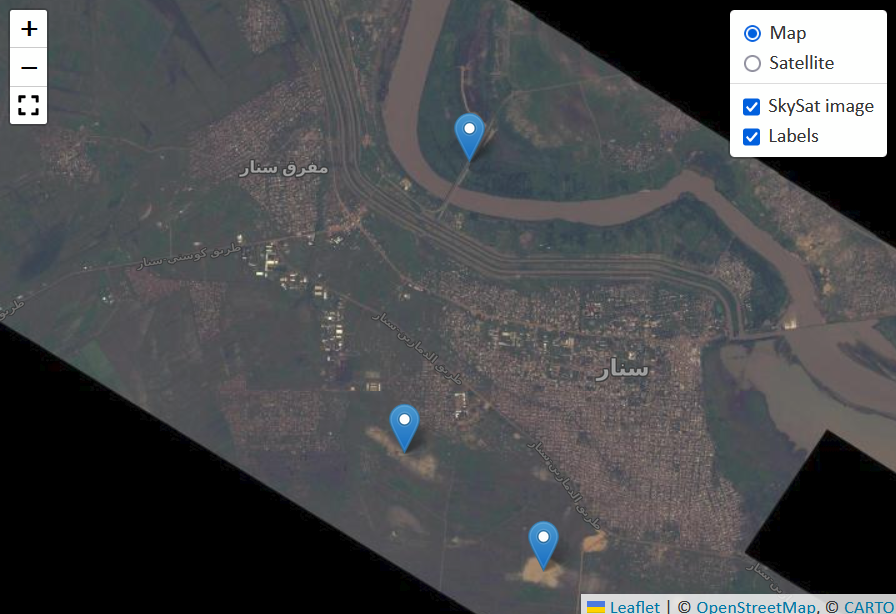
@opalrose on Bellingcat’s public Discord server requested a tasking of the state capital city of Sennar.

In Planet Labs PBC SkySat imagery captured on August 31, the most noticeable features are agricultural flooding, a result of the unusually heavy rains that also caused a dam collapse in northwest Sudan.

North of Sennar City, what appears to be a checkpoint can be seen on Sennar Bridge.

SkySat imagery captured on August 31, 2024, by Planet Labs PBC.

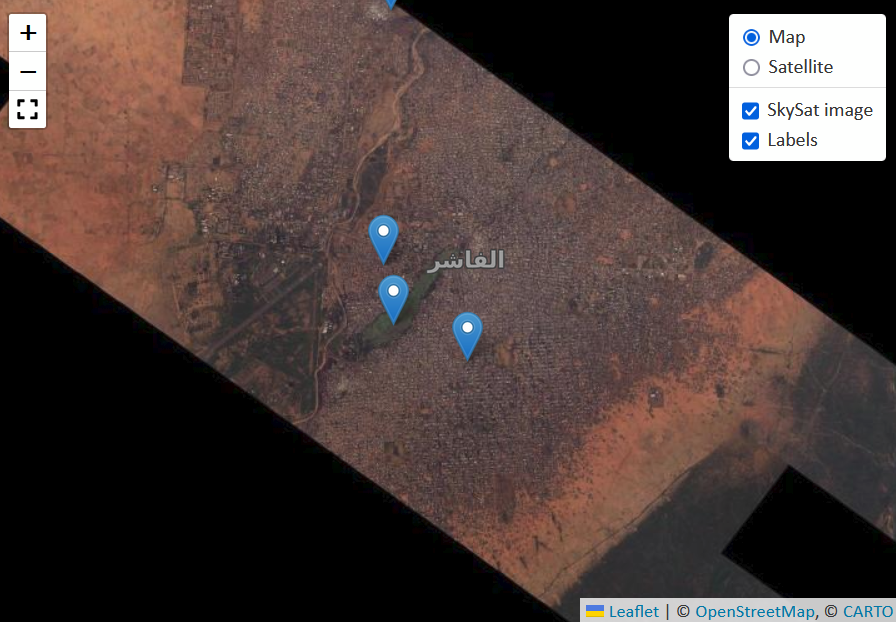
Al Fashir is the largest city in the Darfur region and the last stronghold of the Sudanese Army in Darfur. Bellingcat previously reported on the fighting between the RSF and SAF and attacks on hospitals and the power station. Agricultural and urban flooding is also visible in the city, including around the market and residential areas of the Abou Shouk internally displaced refugee camp, an area where civilians have been targeted by the Rapid Support Forces.

While the satellite tasking captured the majority of the city, the northeastern part of Al Fashir is absent, where the Rapid Support Forces are keeping the city under siege and where civilians are heavily impacted.

Categories
Uncategorized

The Infinity Exhaustion Paradox: Rethinking Infinite Possibilities

The Infinite Monkey Theorem is a famous thought experiment in probability theory that suggests that given an infinite number of monkeys, typewriters, and time, one of those monkeys will eventually type out a complete work like Shakespeare’s Othello. In theory, every possible sequence of characters will eventually emerge because, with infinite resources, even the most improbable outcomes are guaranteed.

However, what if this assumption doesn’t hold up when we move from theoretical infinity to practical infinity?

The Infinity Exhaustion Paradox

In a theoretical run of infinite possibilities, every event, no matter how remote, is guaranteed to happen because infinity ensures that every outcome will be actualized. It’s a mathematical abstraction where probability and time are treated as limitless resources.

But in a real, actual run of infinite possibilities, it’s possible that some extremely remote possibilities may never occur. This is because certain outcomes might require an infinite amount of time to appear—even if infinite time is granted. For example, the monkey typing Othello might never actually happen in practice, as the time needed for such an event could itself stretch into infinity.

This presents a significant critique of the Infinite Monkey Theorem, which I call the “Infinity Exhaustion Paradox.” It suggests that even with infinite resources, certain rare outcomes may never manifest because they are infinitely improbable in any meaningful, practical sense.

Refuting the “Infinity Exhaustion Fallacy”

The “Infinity Exhaustion Paradox” can be seen as a counterpoint to the “Infinity Exhaustion Fallacy” often implied in theoretical discussions of probability. The fallacy assumes that infinite time and possibilities automatically lead to the actualization of all potential events. But the paradox highlights that even in infinite scenarios, some events could be so remote that they require an infinite amount of time to occur, making them practically impossible.

Theoretical vs. Actual Infinity

This distinction touches on deep areas of mathematics and philosophy, including set theory, modal realism, and the philosophy of probability. It’s similar to ideas in constructive mathematics, where the focus is on what can actually be realized, as opposed to abstract infinite assumptions.

In conclusion, the Infinity Exhaustion Paradox challenges the classical interpretation of infinite probability by introducing the possibility that even in an infinite world, certain outcomes may remain forever out of reach. If this concept has not yet been formally described, I propose this name to encapsulate the idea that infinite time may not guarantee the realization of all possibilities.


This post explores the nuances between theoretical and practical infinities and offers a potential framework for discussing the limits of infinite probability. Whether or not this idea has been explored in full, the “Infinity Exhaustion Paradox” presents an intriguing new angle on the Infinite Monkey Theorem.

Categories
Uncategorized

Moral Necessity of AI in Criminal Law


American criminal law has seen an incredible consolidation of power in the hands of the prosecutors over the last five decades. With a conviction rate of 97%, the time-worn adage of “indicting a ham sandwich” has become, “in the US, you can convict a ham sandwich.”

At that point, the fundamental pillars of the social contract which binds the government to the people are being shaken. Americans do not trust the legal system, they do not trust the judicial branch, they do not trust the courts, they do not trust prosecutors. They don’t trust them because the system seems, and is, unfair.

Bipartisan efforts at criminal justice reform have done little to remedy the problem. Once a defendant is in the crosshairs of a prosecutor, there is little they can do to ensure that their rights are upheld. They cannot ensure that they are afford the presumption of innocence which is the cornerstone of constitutional rights.

If we can’t fix it through legislation then how? If we can’t fix it through advocacy then how? If we can’t fix it through education then how?

It is time for the latest innovations in artificial intelligence to be put towards social ends. Instead of being the harbinger of a techno-dystopia, AI should be utilized to improve society. Instead of replacing valuable work, it should be used to maximize existing humanitarian or social justice resources.

The Federal government and Federal defense attorneys should adopt AI to help them protect defendants. It is the only path forward to a system that is criminal justice instead of criminally unjust.

Categories
Uncategorized

Unlocking the Power of Blockchain Technology: A Comprehensive Guide

Blockchain technology has emerged as a revolutionary force in the world of digital transactions, offering a decentralized and immutable ledger system that has far-reaching implications across various industries. In this article, we delve into the intricacies of blockchain technology, its applications, architecture, proofs, security measures, and much more.

Understanding Blockchain Technology

At its core, blockchain is a distributed database or decentralized ledger that records transactions in the form of numerical data. Unlike traditional technologies that rely on centralized authorities, blockchain operates on a consensus-based algorithm, ensuring that all transactions are transparent, secure, and verifiable. Each block in the blockchain contains a group of transactions, and these blocks are linked together to form a continuous chain.

One notable aspect of blockchain technology is its cryptographic and peer-to-peer nature, which eliminates the need for intermediaries and enhances security. Transactions recorded on the blockchain are immutable, meaning they cannot be altered or tampered with once they are confirmed. This immutable ledger system provides transparency and trust in digital transactions.

Key Differences from Traditional Technology

Blockchain technology offers several advantages over traditional systems. Unlike centralized systems where trust is placed in a central authority, blockchain relies on the consensus of multiple nodes, making it virtually impossible for all nodes to be compromised simultaneously. Additionally, blockchain provides enhanced confidentiality through encryption methods, ensuring that sensitive data remains private while still being openly distributed.

The decentralized nature of blockchain ensures redundancy and disaster recovery, as the system can continue to function even if individual nodes fail. Moreover, blockchain enhances availability by allowing multiple nodes to participate in the network, thereby reducing the risk of system failure.

Importance and Applications

Blockchain technology has a wide range of applications across various industries. From facilitating secure elections in countries like Sierra Leone to ensuring the security and confidentiality of sensitive data, blockchain offers solutions to complex governance and security challenges. It also enables distributed governance models, integrates external services such as miners and notaries, and provides a robust framework for smart contracts.

Despite its numerous benefits, blockchain technology still faces challenges such as scalability issues, energy consumption concerns, and transaction processing delays. However, with ongoing research and development efforts, these challenges are being addressed to unlock the full potential of blockchain technology.

Benefits of Blockchain Technology

The benefits of blockchain technology are manifold. Unlike traditional cloud computing or database systems, blockchain eliminates the need for trust by relying on cryptographic algorithms that can be independently audited. This trustless system ensures that transactions are secure and transparent without the need for intermediaries.

Blockchain technology also offers cost savings by eliminating third-party transaction fees and streamlining processes such as verification, reconciliation, and clearing. Additionally, blockchain provides permanent data storage, high availability, and enhanced security through private key ownership and digital signatures.

Blocks and Blockchain Architecture

Blocks are the building blocks of blockchain technology, containing transaction data, metadata, and a unique identifier known as a hash. These blocks are linked together to form a continuous chain, with each block containing a reference to the previous block’s hash.

Blockchain architecture involves careful planning and configuration of various elements such as permissions, asset issuance, key management, and address formats. Different consensus mechanisms such as Proof of Work (PoW), Proof of Stake (PoS), and Delegated Proof of Stake (DPoS) are used to ensure the security and integrity of the blockchain network.

Security Measures and Proofs

Security is paramount in blockchain technology, and various consensus mechanisms such as PoW, PoS, and DPoS are employed to prevent attacks and ensure the integrity of the network. Additionally, cryptographic methods such as hashing, digital signatures, and Merkle trees are used to secure transactions and prevent fraud.

Conclusion

In conclusion, blockchain technology holds immense potential to transform various industries by providing secure, transparent, and decentralized solutions to complex problems. With ongoing advancements and innovations, blockchain is poised to revolutionize the way we conduct digital transactions and manage data in the future. As we continue to explore the possibilities of blockchain technology, it is essential to address the challenges and harness its benefits to create a more secure and efficient digital ecosystem.

Categories
Uncategorized

Are Cryptocurrencies Halal? | Ali Shukri Amin

بسم الله الرحمن الرحيم

Table of Contents

1. What is the Shari’a?
2. What is Fiqh?
3. What is Fatwa?
4. What is Economics?
5. What Kind of Financial Instruments or Transactions Are Prohibited?
6. What is Currency?
7. What is the Blockchain?
8. What is Cryptocurrency?
9. Is Bitcoin Halal?
10. Conclusion
11. Notes

Introduction

The question of cryptocurrencies and their relationship with Islam has been hotly debated for nearly the last ten years. A seemingly unending amount of fatawa have been issued and discussions held on this topic. Nearly every stance has been passionately argued by knowledgeable scholars. However, no single discussion or verdict issued yet has been exhaustive.

Many of the fatawa issued on cryptocurrencies are based on a priori reasoning pertaining to many aspects of the shari’a, economics, and cryptocurrencies. In order to reach a thoroughly reasoned and robust conclusion on this topic, not only must every aspect of the reality of cryptocurrencies be investigated – but so must every aspect of the current international economic order. However, this must be done in a methodical fashion which takes into account Islamic values.

Muslim specialists in the field of blockchain and cryptocurrencies are almost always severely under-educated regarding Islamic sciences. As few as cryptocurrency specialists are, the number of them who are actively engaged in the field of Islamic studies or who are interested in holding robust discussions with the scholarly class are even slimmer. The intersection between knowledge in this burgeoning field and basic competency in Islamic knowledge is currently remarkably small.

The following represents the only exhaustive study of cryptocurrencies, blockchain, Bitcoin, the greater economic system they seek to provide an alternative to, and Islamic finance. While this study does not seek to draw conclusions regarding controversial topics in Islamic studies, it does seek to come to an ultimate conclusion as to the permissibility of cryptocurrencies. In doing so, it must inevitably cover some of those topics; however it attempts to do so with a level of objectivity.

We ask Allah سبحانه و تعالى to accept this humble effort.

1. What is the Shari’a?

The Arabic word shari’ah comes from the trilateral root [ش-ر-ع]. Linguistically, it refers to a path (shaari’). Allah uses various disambiguations of this word in the Qur’an five times [Concordance of the Qur’an by H. Kassis]. The shari’ah is the path from the worldly life [dunya] to the paradisaical Garden [Jannah]. It defines what things are on the path, within the boundaries of Islam, and what things lead you off of the path.

Shar’i-compliant is a modern term to describe financial instruments or economic policies which are in according with the boundaries of the Din. Muslims are allowed to engage in trade and business insofar as those things are in accordance with the shari’a. The kinds of financial instruments or transactions which are outside of the scope of the shari’a’s boundaries may not be engaged in.

The Shari’a is Revelation from Allah and cannot be altered. However, certain specific areas of the Shari’a can be interpreted differently by different traditionally-trained Islamic scholars, i.e., ‘ulama. As a result, in order to create a normative framework and scope wherein the Shari’a can be reliably understood as per the intent of the Lawgiver – i.e., Allah – ‘ulama exerted their efforts towards the science of fiqh, which is discussed further below.

It is necessary, before engaging in a thing, to know the ruling of Allah and His Messenger ﷺ upon it. Therefore, a person could not engage in cryptocurrency transactions without first knowing that ruling.

a. The Aims of the Shari’a

The great architect of revised Ash’ari theology, Shafi’i usul, and Islamic spirituality, Abu Hamid al-Ghazali and his teacher al-Juwayni, first articulated the concept that the Shari’a has overarching aims, i.e., maqasid, which its individual rulings intend to accomplish [Maqasid al-Shar’iyya al-Islamiyyah by Al-Kayyani Ahmad Salih]. While there is no doubt that this concept existed prior to Imam al-Ghazali, his articulation set out maqasid as an independent topic for further study.

Less than two centuries later, the Andalusian Maliki jurist – Abu Is’haq al-Shatibi (not to be confused with Abu Mohammad, al-Qasim al-Shatibi, the Andalusian qira’at scholar) penned the first fleshed out work of Maqasid al-Shari’ah.

Abū Isḥāq Ibrāhīm Ibn Mūsā Al-Shāṭibī’s theory of maqasid al-shari’a can be understood as reconciling between deontological and consequentialist moral frameworks. To al-Shatibi, Divine Commands naturally lead to the best consequences and Divine Commands are God’s Law [Imam al-Shatibi : Theory of the Higher Objectives and Intents of Islamic Law, Ahmad al-Raysuni,, pg. 358-359]. According to Al-Shatibi, the Lawgiver has certain aims regarding His Revelation of Divine Commands. The Lawgiver legislates in order to facilitate the material and spiritual well-being of all people, to avoid an imbalance in the natural order of human life. He sends down Laws to remove hardship and difficulties, to make human living beautiful, good, and conformant with higher spiritual realities.

As such, Shatibi posited a sort of middle-ground between deontological and consequentialist morality. To al-Shatibi, God’s Laws must lead to the best consequences, and this is an observable phenomenon both rationally and experientially. To him, there is no difference between “the greatest good for the greatest number” and God’s Laws. The true greatest good can only be achieved by God’s Laws, and it is also possible to conduct an analysis of His Laws to recognize the aims of the His Laws [al-Raysuni]. These principles, maqasid, then become their own form of knowledge and are superior even to the traditional jurisprudential epistemology in Islamic law. They are their own moral epistemological framework.

Generally speaking, the overarching aims of the Shari’a are:

  • Preservation of Din
  • Preservation of Life (Nafs)
  • Preservation of Mind (Mental Health)
  • Preservation of Wealth
  • Preservation of Family
  • Preservation of Honor
  • Preservation of Society

We are primarily concerned with preservation of wealth (hifzh al-mal) in this discussion.

Back to Top

2. What is Fiqh?

Fiqh is an Arabic term. Linguistically it means “wisdom” or “understanding.” It is mentioned in the Qur’an according to that meaning twenty times. The Prophet Muhammad ﷺ said:

وَعَنْ مُعَاوِيَةَ قَالَ: قَالَ رَسُولُ اللَّهِ صَلَّى اللَّهُ عَلَيْهِ وَسَلَّمَ: «مَنْ يُرِدِ اللَّهُ بِهِ خَيْرًا يُفَقِّهْهُ فِي الدِّينِ وَإِنَّمَا أَنَا قَاسِمٌ وَاللَّهِ يُعْطِي»

“Whomsoever Allah wishes good for, He grants wisdom [fiqh] in the Din. I am only a distributor, Allah is the One who gives.” [Bukhari and Muslim]

In terms of Islamic sciences, fiqh teaches Muslims how to traverse the Shari’a. It deals with the mechanics and rulings of worshiping Allah. The books of fiqh cover the rulings of all actions. Scholars of fiqh [fuqaha] have discussed everything from ritual purity, food, prayer, governance of states, to financial transactions.

Fiqh is where we will look in order to find out the Shar’i stance on cryptocurrency.

a. Fiqh During the First Generation

After the death of the Prophet ﷺ, his companions focused on studying five primary sciences: Qur’an, Sunnah, Islam, iman, and ihsan [Sahih Muslim 8a & Al-Muwaṭṭa’ 1661]. At this time, there was no formal distinction between these sciences nor a precise methodology to take students from a place of absolute ignorance to mastery. The early Muslim community was relatively well-educated in the Din and close enough to the source of knowledge that there was no need for highly developed theories or academies. They could learn directly from second- or third-hand sources, come to their own conclusions, and develop ways to facilitate learning for a new generation that was not as privileged.

Initially, fiqh was not taught as its own science. Rather, Sunnah and Islam were taught [Usul al-Fiqh of the Salaf by W. Al-‘Abbas]. The Sunnah consisted of: The life of the Prophet (Sira), sayings of the Prophet, actions of the Prophet, and descriptions of the Prophet ﷺ. Islam consisted of: Properly understanding the Sunnah, studying the actions of worship, interactions with others, transactions, and politics.

b. Fiqh by the End of the Third Hijri Century

By the end of the third hijri century, the Muslim empire had stretched from East to West. After entering into China, the Muslim traders returned to the Arabian Peninsula with Chinese paper. Being easier to produce and more widely available, this allowed for the Muslim scholars to write down their knowledge.

Additionally, as the empire expanded, foreign ideas and homegrown innovators began producing a challenge to the knowledge as passed down by the Prophet’s companions. There was also the problem of unreliable students or dishonest individuals attributing themselves to knowledge.

Scholars began developing curriculums to teach specific aspects of the Din which they specialized in. This lead to the distinction and development of particular sciences. Sunna became subdivided into Sira, Hadith, and fiqh. Islam similarly divided, with a part of it being merged into fiqh, and other parts being siyasa, iqtisad, usul al-fiqh, and later, maqasid al-shari’a. [The Evolution of Fiqh: Islamic Law and the Madh-habs by B. Phillips]

Therefore, fiqh is the study of actions of worship according to the Sunnah and Islam. It is distinguished from hadith, the other component necessary to understand the Sunnah. Hadith is an objective compilation of historical records pertaining to the Prophet ﷺ whereas fiqh is the correct understanding of those narrations in light of other relevant factors [Maqasid al-Shari’ah by b. Ashur].

In order to cement that all of these sciences had a direct relationship with the bearer of Revelation, i.e., the Prophet Muhammad ﷺ, early Muslims did not depend on unreliable sources for this information. When they took information from people regarding the Din, it had to come from a teacher who also took from a reliable source. Ultimately, this chain of transmission had to end with the Prophet ﷺ. This way, it could be ensured that nothing was being taught without coming from a Revelatory source.

That process became known as sanad, chains of transmission, which was then studied in every science. It began first in Sunnah, then was adapted to all other sciences of Din. After the codification process and the writing of Islam’s mother academic texts, then sanad was transformed into the rich ijaza (license to teach) tradition – wherein a teacher consciously issues a sanad forward-looking as opposed to the backwards-looking nature of initial asanid. [Studies In Early Hadith Literature by M. M. Azami]

c. Codification of the Schools of Fiqh

Many reliable understandings of fiqh developed throughout Islamic history. However, by the seventh hijri century, the Muslim ummah had settled on six primary schools. These schools represented the bodies of knowledge and work of many scholars over hundreds of years, usually being attributed to a main representative of the school. While the schools were eponymous, it did not mean that the head of the school created it. Rather, it was the product of whatever vibrant center-of-learning that imam resided in, and whose tradition he codified.

The earliest surviving school is the school of imam Malik b. Anas, the Maliki school. Then came the school of Abu Hanifa, the Hanafi school. Then came the school of imam Mohammad b. Idris al-Shafi’i, the Shafi’i school. Finally is the school of imam Ahmad b. Hanbal, the Hanbali school. Each of these schools survives to this day. However, they have long histories of development and progression far beyond the scope of this article.

Additionally, there are two lesser acknowledged surviving schools. These are the Dhahiri and Ahl al-Hadith schools. The Dhahiri school arose in Islamic Spain and North Africa, named after Dawud al-Dhahiri. It has a decidedly literalist bent and was mostly eliminated after the Spanish Reconquista. It has not been as thoroughly codified as the other schools, though it does survive through living asanid.

The school of Ahl al-Hadith is an informal school adopted by some early jurists who were great independent legal minds (mujtahid). Since they reached a level of independence, they were able to formulate their own rulings, however these scholars did not find a large following and their legal reasoning is very hadith-oriented. Over time, Sunnis who did not follow any school of law and preferred to stick solely to narrations would attribute themselves to this informal school. This school is deemed problematic for some of its later members’ wholesale rejection of fiqh and overall lack of intellectual robustness [Who Are the Blind Followers? by Abu Usama Ayub].

Two major aspects distinguish one school from another: epistemology and views. Epistemology, i.e., usul al-fiqh, refers to how the fuqaha of a school actually determine principles. Usul are usually based on understanding the views of a major founding scholar and retroactively applying the methodology imam al-Shafi’i outlined in a famous work called al-Risala, then deriving new rulings from that derived usul. The views of the madh’hab consist of the opinions of major scholars, especially founding fuqaha, and the views of fuqaha throughout that school’s development. Ultimately, the school settles on certain views as being relied upon, and these are taught to students first.

For the purposes of this research, the opinions of authoritative scholars from all six schools will be considered – if they can be located.

d. Primary Maxims of Fiqh

The fuqaha set certain principles when understanding shar’i rulings. These principles (qawa’id) are based on various kinds of evidences. Qawa’id al-fiqh color understanding every single decision fuqaha make regarding the shari’a, so they are incredibly relevant here. The major qawa’id are:

  • All worldly matters are permissible until explicitly proven haram (الأصل في الأشياء الإباحة)
  • All acts of worship are impermissible until proven legislated (الأصل في العبادات التحريم)
  • Actions are determined by intention (انما الاعمال بالنيات)
  • Certainty is not removed by doubt (اليقين لا يزول بالشك)
  • Difficulty demands ease (المشقة تجب التيسير)
  • Harming is not allowed, nor is reciprocating harm (لا ضر و لا ضرار)
  • Customs of the people are considered in rulings (العادة محكمة)
  • The permissible is clear and the impermissible is clear (ان الحلال بين و ان الحرام بين)
  • Leave that which is doubtful for that which is not (دع ما يبريك الى ما لا يبريك)

Back to Top

3. What Is Fatwa?

Fatwa is a concept pertaining to shari’a and fiqh. A fatwa is when a scholar discusses Allah’s decision pertaining to a matter. He then takes a ruling of fiqh [a hukm], which is general, and applies it to a real world situation. Fatwa is issued whenever a person claims that a particular belief, action, way of doing something, or avoiding a thing is part of Islam or is not a part of Islam.

However, usually the term fatwa is used to refer to an individual issuing an unprecedented ruling. The unprecedented ruling could either be due to contravening other rulings historically, the particular person’s research on an issue (usually controversial), or due to the appearance of an issue (‘illa; ratio legis) hitherto unprecedented. The first kind of fatwa is usually considered inappropriate in the scholarly community whereas the second kind is accepted depending on the subject of research and need for that research. The third kind of fatwa is absolutely necessary and keeps the fiqh tradition of Islam alive by producing new thinking in response to new problems using the legal framework laid down 1,450 years ago.

a. Who is Qualified to Issue Fatwa?

Every field of human knowledge has gradients. Individuals start their journey in a field or science as beginners and gradually increase to greater levels of knowledge. As a person increases in knowledge, he is more competent to speak about that field. The same is true of fiqh.

The most basic level pertaining to fiqh is that of the layman (‘ammi). The ‘ammi has no kind of specialized knowledge, however the ‘awwam (plural of ‘ammi) are also stratified. There is a difference between a layman who knows absolutely nothing about Islamic practices and the one who is on the verge of becoming a student of knowledge (talib al-‘ilm). Generally speaking, the ‘ammi’s views are not seriously taken and they are advised to simply practice what more competent people have told them.

In Bloom’s taxonomy of educational hierarchies, the layman is at the bottom stage. They struggle to recall basic facts and concepts and are taught rulings with the hope that they can retain them for implementation.

The talib al-‘ilm is an individual who has ascended beyond the level of general knowledge in fiqh. This individual has specialized in studying fiqh to an extent where he has a degree of competence in understanding a particular school and the science as a whole. The talib al-‘ilm is challenged by their teachers to genuinely understand concepts and ideas, as opposed to rote memorization for the purpose of being a functional Muslim.

The first level of fiqh scholarship is termed “the people of verification” or as’hab al-tas’hih. These scholars tend to comment on various legal manuals, comparing rarer or tertiary opinions, and clarifying what the default stance of their particular school is. They do not do the work of revising what opinions are strong or weak within a school’s epistemological paradigm (usul al-fiqh), but rather transmit at a higher level than a talib al-‘ilm. A sahib al-tas’hih can generally give the default hukm of a school on any topic, but may not necessarily tell you why the school has preferred this view over another.

Historically speaking, some scholars argued that this was the highest level of scholarship which could reasonably be obtained. These scholars held an extreme view that the door of juristic reasoning (bab al-ijtihad) closed here, and that scholars could only relate the views of previous, greater scholars, without determining why one view was stronger than another. It was not their place to revise the schools any more, only to preserve them.

The second level is “the people of verification” or As’hab al-Tarjih. As’hab al-tarjih investigate the opinions formed by scholars before them, utilizing their school’s epistemology (usul) to determine what opinions are most worthy of being relied upon and what opinions are weak. They sift through the views of scholars within their school on as many issues as they can, ultimately selecting one on each issue. They weigh the various positions and conclude what the school’s official, dominant positions are.

Next come As’hab al-Takhrij or “the companions of research” are scholars just under independent legal reasoning. They are highly dedicated and learned. Usually, these scholars have reached the highest level of scholarship within one particular field, but not mastered more than one. This kind of a scholar is the total authority within that field.

The first level of ijtihad is the Mujtahid fi al-Masa’il or “independent jurist in specified topics.” This kind of faqih is able to establish new precedents on issues by utilizing the school and usul of greater scholars. This scholar may actually be at a greater level of ijtihad but simply chooses to stick to the school of an even greater scholar and only formulate his own opinions on novel issues. However, these scholars are capable of restructuring the school if they wished and are not bound to the legal views of most of the scholarly class, as they have exceeded them. This would be the highest level of scholarship reasonable to reach in the modern era.

The scholars of fiqh disagree as to whether it is possible to exceed beyond the level of al-mujtahid fi al-masa’il in the modern era. Around the tenth hijri century, many scholars began claiming that the “door of ijtihad” was closed. This article is not the place to discuss this complicated issue. Whether the door was closed, whether it can be closed at all, and at what level it is closed are all issues of vehement dispute.

The Mujtahid fi al-Madh’hab is not at the level of scholarship required to go off and establish his own school without referencing anyone else, however he has reached a level where he no longer requires anyone else’s views on any particular subject outside of usul. They are still confined to a school, however they directly derive rulings from the source texts without referencing anything beyond the foundational principles of that school. They are not allowed to follow the opinion of any other scholar and are required to follow their convictions only.

The Mujtahid Mutlaq has reached the highest level of scholarship in every Islamic discipline and is required to develop his own school, not being allowed to take anyone else’s conclusions over his own research and conviction.

b. What Are the Possible Outcomes of Fatwa?

fatwa on a particular issue determines one of nine positions:

  • Obligatory (fard or wajib)
  • Highly recommended (Sunnah mu’akkadah)
  • Recommended (Sunnah, mustahabb, tatawwu’)
  • Slightly recommended (fadilah, raghibah)
  • Allowable (mubah)
  • Disliked/hated (makruh)
  • Minor sin (saghirah, dhanb, ithm, sa’yyi’)
  • Heretical innovation (bid’ah)
  • Major sin (kabirah, fahsha, munkar)
  • Disbelief or apostasy (shirk, kufr, ridda, nifaq akbar)

Back to Top

4. What is Economics?

According to Investopedia, economics is:

Economics is a social science concerned with the production, distribution, and consumption of goods and services. It studies how individuals, businesses, governments, and nations make choices about how to allocate resources. Economics focuses on the actions of human beings, based on assumptions that humans act with rational behavior, seeking the most optimal level of benefit or utility. The building blocks of economics are the studies of labor and trade. Since there are many possible applications of human labor and many different ways to acquire resources, it is the task of economics to determine which methods yield the best results.

There are multiple kinds of economic systems. Traditionally speaking, economics was managed less by the intentional design of powerful governments and more between the parties involved in transactions. As centers of commerce grew in size and complexity throughout history, a need to develop centralized regulations developed. With the rise of bigger civilizations and national trade agreements, highly complex systems of economics were created. These systems were diverse, and economic thought is highly debated.

a. The History of Capitalism

Capitalism is an economic system prioritizing the private ownership of wealth, the means of producing wealth, and the creation of profit. Modern capitalism stems from a seventeenth century European renaissance system called mercantilism. In the sixteenth century, a sect known as “Calvinism” was born from the the Protestant revolution. Calvinists propagated the theology that working for wealth was a form of worship and God’s acceptance of a person can be objectively measured by their worldly success.

b. Unique Features of Modern Capitalism

Modern Capitalism is based on a technique called “fractional reserve banking.” In fractional reserve banking, banks are allowed to lend out more money than its customers deposit. If a bank has five customers, each with one dollar to deposit, then it should have five dollars within its reserves at all times. If all five customers wish to withdraw their funds, they should be able to do so. However, in fractional reserve banking, banks calculate how likely it is that all five customers withdraw.

Since it is unlikely that all customers withdraw at the same time, the bank may loan out two dollars to other people. The banks’ reserves now contain only sixty percent (60%) of its depositors’ funds. The bank will then charge interest fees on the two dollars it loaned out, and obtain a profit. By the time all five original customers seek to withdraw their money, the bank has profited from the loans it gave out.

One of the main issues with fractional reserve banking is that banks profit off of the capital of their customers without being able to return it when their customers’ need it the most, causing “bank runs.” However, this only occurs during serious crises, and can often be mitigated by the government.

A more pertinent problem is that the interest-based loans which banks give out require them to be paid back with more money than exists in the entire money supply. Following on from the previous example, if ten banks each loan out two dollars, and each bank expects three dollars in return, then the entire economy must somehow produce an additional ten dollars which did not exist before. This creates fictional money in the form of debt, inflating asset prices throughout the entire market.

When debtors cannot afford to pay the non-existent interest on their loans, this causes bank customers to withdraw their money. Since the bank has loaned out much of their money, and even begun to loan out some of this fictional money produced by interest, the bank cannot return all of the money to its customers. This process of crashing back to reality, which causes the value of assets to return to more realistic numbers, is referred to as popping economic “bubbles.”

Bubbles are almost entirely caused by riba. However, fractional reserve banking has proven capable of creating bubbles which crash not only regional or national economies – but the entire international economic order.

In an economy managed by a central banks, the bursting of a bubble is called a “bear market.” A market which is growing, and ultimately creating a bubble, is called a “bull market.” Historically, commodities and indices managed by central banks always return to some sort of a bull market. Once a bubble pops and the market reaches a low, it will then seek to find a new all-time high.

As such, inflation through riba is necessary for markets to reach new heights. As long as a currency is managed by a central bank in a capitalist system, it can be expected to inflate, and the overall market’s value to “increase.” It increases in terms of larger numbers, however those numbers are created by inflation. As such, an investor in the market always stands to gain, and a person holding currency always stands to lose. Assets always increase in value in relation to the currency, as the currency is constantly devalued.

This cyclical upswing and downswing feeds into mass psychology and the public psyche. The market influences the emotional and psychological outlook of entire societies. Entire nations of people are indoctrinated into believing that more money and economic success means more happiness for more people. Large upswings for years and relatively short bear markets, no matter how devastating, keep people enthralled.

Markets create and break “price ranges” based on the laws of supply and demand. Price ranges are a low or a high within a given time period. The market inflects based on price (x-axis) and time (y-axis).

When a market fails to take out a new low in a given range, it will have an objective to take out the high. When a market fails to take out a new high, it has an objective to make a new low. This is why price-time charts go up and down, as it does this on a second-by-second, minute-by-minute, day-by-day, and even century-by-century basis.

Therefore, market indices will always return to some type of bull market as, once a true low is formed, the market will have a price objective to take out a new high outside of its given range – which is an all-time high. Instruments can only functionally fall to zero, whereas they can grow infinitely.

Markets and instruments rise slower than they correct, however they rise much more than they fall. In the same vein, instruments can only fall to having no worth, whereas they could theoretically grow infinitely and have continued growth over time. Money in a fiat system is illusory. It is a fundamentally synthetic instrument which has no intrinsic value. Hence, the recent seemingly illogical fluctuations in the market.

c. Is Capitalism Compatible with Islam?

Capitalism is born out of a form of Protestant Christianity wherein the physical incarnation of God on this earth, traditionally Jesus, was replaced with money. In a capitalist system, the greatest good is to produce wealth, and the greatest evil is to be impoverished. “Titans of industry” are celebrated while those who are crushed under the weight of the system are spurned.

Since work is understood as the primary form of worship to this idol, the capitalist system encourages working as much as possible, as often as possible, to create as much money as possible – irrespective of actual needs. Elon Musk, briefly the richest man in the world, works so much that:

With Tesla’s Model 3 production behind, Elon Musk is so busy he doesn’t even have time to go home and shower. And he’s sleeping on the floor of the factory.

In the same way that, ideally, the Muslim seeks to dedicate as much time and effort serving Allah, the worker in the capitalist system ideally seeks to dedicate as much time as possible producing wealth.

The French philosopher and Christian anarchist Jacques Ellul writes,

The bourgeois morality was and is primarily a morality of work and of metier. Work purifies, ennobles; it is a virtue and a remedy. Work is the only thing that makes life worthwhile; it replaces God and the life of the spirit. More precisely, it identifies God with work: success becomes a blessing. God expresses his satisfaction by distributing money to those who have worked well. Before this first of all virtues, the others fade into obscurity. If laziness was the mother of all the vices, work was the father of all the virtues. This attitude was carried so far that bourgeois civilization neglected every virtue but work.

Nothing belongs any longer to the realm of the gods or the supernatural. The individual who lives in the technical milieu knows very well that there is nothing spiritual anywhere. But man cannot live without the sacred. He therefore transfers his sense of the sacred to the very thing which has destroyed its former object: to technique itself. In the world in which we live, technique has become the essential mystery, taking widely diverse forms according to place and race. Those who have preserved some of the notions of magic both admire and fear technique. [The Technological Society]

We worship Allah because we owe Him for everything and He deserves worship. Yet, capitalism worships something else. Italian sociologist Maurizio Lazzarato writes:

We are no longer the inheritors of original sin but rather of the debt of preceding generations. “Indebted man” is subject to a creditor-debtor power relation accompanying him throughout his life, from birth to death. If in times past we were indebted to the community, to the gods, to our ancestors, we are henceforth indebted to the “god” Capital. [The Making of the Indebted Man: An Essay on the Neoliberal Condition]

Not only is the fundamental measurable unit of success in capitalism, the dollar, tied to riba in an integral fashion, but the point of gaining these units is to worship the idol of capital. In Islam, we gain ajr [good deeds] for the purpose of drawing closer to the One True God, Allah.

What is the result of worshiping other than Allah? What has capitalism produced? Former mathematics professor turned anarchist philosopher and domestic terrorist, Theodore Kaczynski, explains in his work:

“…but they have destabilized society, have made life unfulfilling, have subjected human beings to indignities, have led to widespread psychological suffering (in the Third World to physical suffering as well) and have inflicted severe damage on the natural world. The continued development of technology will worsen the situation. It will certainly subject human beings to greater indignities and inflict greater damage on the natural world, it will probably lead to greater social disruption and psychological suffering, and it may lead to increased physical suffering even in “advanced” countries.” [Technological Slavery]

d. Is there such as thing as “Islamic Economics”?

Islam has a fully-fledged economic system which is compatible with the modern world. It is superior to any other economic system mankind has ever produced. Islam’s economic system balances material and economic success with taking care of the needy. In Islamic economics, the goal is to provide quality of life for all people, meaningful work, while allowing the primary focus to remain on worshiping Allah. A perfect balance is struck between material comfort and mankind’s other needs.

Interest is abolished and mandatory charity is taken from Muslims (zakah). It is also possible to create an Islamic commercial banking structure. Currency would be based on bullion (precious metals). Imam Abu Zayd b. Khaldun, a great scholar of Islam and the founder of several sciences such as sociology, wrote,

ثم إن الله تعالى خلق الحجرين المعدنيين من الذهب و الفضة قيمة لكل متمول، و هما الذخيرة و القنية لأهل العالم في الغالب. و إن اقتنى سواهما في بعض الأحيان فإنما هو لقصد تحصيلهما بما يقع في غيرهما من حوالة الأسواق التي هما عنها بمعزل فهما أصل المكاسب و القنية و الذخيرة.

Then, surely Allah – Exalted – created the two precious stones from gold and silver. They are the measure for all capital. They are the preferred [basis] of treasure and property among those who have knowledge. [That is the case] even if something else suffices in their stead sometimes, from what happens besides them in marketplace transactions which are subject to fluctuations, as they are utilized for the purpose of obtaining those two.  They are the root of profit, property, and treasure. [Muqadimma by Abu Zayd b. Khaldun]

Islamic economics has a long and robust history which may be researched elsewhere.

Back to Top

5. What Kind of Financial Instruments or Transactions Are Prohibited?

Keeping in mind the qawa’id of fiqh: all worldly matters (with some important exceptions) are permissible until explicitly proven haram (الأصل في الأشياء الإباحة) and difficulty demands ease (المشقة تجب التيسير), then the default of all financial instruments and transactions is that they are either mubah or better (up to fard). If a specific proof from the Qur’an or Sunnah prohibits them, they contradict a qa’idah of fiqh, or a maqsad shar’i – only then will that default ruling change.

a. Interest and Usury

Interest is the process of reaping profit on a loan. Money or assets are given by a creditor to be borrowed by a debtor for a period of time, with the stipulation that more is returned. This can be in installments or all at once. This is known as riba.

i. The Prohibition of Riba

Riba is not only expressly prohibited in the Qur’an and Sunnah, it is deemed as a major sin (kabira). Allah تعالى says about riba:

الَّذينَ يَأكُلونَ الرِّبا لا يَقومونَ إِلّا كَما يَقومُ الَّذي يَتَخَبَّطُهُ الشَّيطانُ مِنَ المَسِّ ۚ ذٰلِكَ بِأَنَّهُم قالوا إِنَّمَا البَيعُ مِثلُ الرِّبا ۗ وَأَحَلَّ اللَّهُ البَيعَ وَحَرَّمَ الرِّبا ۚ فَمَن جاءَهُ مَوعِظَةٌ مِن رَبِّهِ فَانتَهىٰ فَلَهُ ما سَلَفَ وَأَمرُهُ إِلَى اللَّهِ ۖ وَمَن عادَ فَأُولٰئِكَ أَصحابُ النّارِ ۖ هُم فيها خالِدونَ

Those who practice usury will not rise from the grave except as someone driven mad by Shaytan’s touch. That is because they say, ‘Trade is the same as usury.’ But Allah has permitted trade and He has forbidden usury. Whoever is given a warning by his Lord and then desists, may keep what he received in the past and his affair is Allah’s concern. But all who return to it will be the Companions of the Fire, remaining in it timelessly, for ever.

[Surah al-Baqarah, The Heifer (2):275]

Allah continues:

يا أَيُّهَا الَّذينَ آمَنُوا اتَّقُوا اللَّهَ وَذَروا ما بَقِيَ مِنَ الرِّبا إِن كُنتُم مُؤمِنينَ

You who have iman! have taqwa of Allah and forgo any remaining usury if you are believers.

فَإِن لَم تَفعَلوا فَأذَنوا بِحَربٍ مِنَ اللَّهِ وَرَسولِهِ ۖ وَإِن تُبتُم فَلَكُم رُءوسُ أَموالِكُم لا تَظلِمونَ وَلا تُظلَمونَ

If you do not, know that it means war from Allah and His Messenger. But if you make tawba you may have your capital, without wronging and without being wronged.

[Surah al-Baqarah, The Heifer (2):278, 279]

Riba is war upon Allah and His Messenger ﷺ, a war which no person can ever survive without losing their eternity. It must be avoided by the believers at all costs. All partners were cursed on the tongue of the noble Prophet Muhammad ﷺ:

Narrated Jabir – may Allah be pleased with him,

Allah’s Messenger (ﷺ) cursed the one who accepts usury, the one who gives it, the one who records it and the two witnesses to it, saying, “They are all the same.” [Sahih al-Imam Muslim, 1598]

عَنْ جَابِرٍ ‏- رضى الله عنه ‏- قَالَ: { لَعَنَ رَسُولُ اَللَّهِ ‏- صلى الله عليه وسلم ‏-آكِلَ اَلرِّبَا, وَمُوكِلَهُ, وَكَاتِبَهُ, وَشَاهِدَيْهِ, وَقَالَ: ” هُمْ سَوَاءٌ ” } رَوَاهُ مُسْلِمٌ 1‏ .‏

Trade is different than riba in that it is a mutual exchange of different types of goods or services, not the same kind. It becomes riba only when the same item is traded at different quantities. Some kinds of riba are:

  • Riba al-qurud
  • Riba al-buyu’
  • Riba al-fadl
  • Riba al-nasa

Discussing the various kinds of riba is beyond the scope of this research.

ii. Entropy

Entropy is a scientific concept and measurable property of all physical systems. The rules of entropy indicate that systems move from a state of order to disorder. This occurs on small levels and larger ones. In order for a system to be moved from disorder to greater order, it requires a greater amount of disorder to occur within a larger system or an equal one.

Entropy is observed all around us. Vegetables expiring are undergoing entropy. People becoming old and dying experience entropy. Buildings which are not taken care of become dilapidated. A teenager’s room which is not tidied up becomes messy. The environment is experiencing constant decay. Some scientists believe that the universe itself will experience a final entropic state called “heat death.”

Entropy is highly relevant to the discussion of riba. Riba assumes that a person can borrow ten dollars ($10), utilize that $10 to create greater order, then be able to return eleven dollars ($11) – either breaking even or profiting. To highlight how irrational this is, an example taken from Tarek Diwany’s “The Problem with Interest” is given:

Imagine a person borrows three loaves of bread. If he is expected to return them in a week, then those loaves become moldy, or are needed for food, and depreciate in value. It is possible for him to preserve them, but then there would be no purpose to the loan, or to consume them and produce three more loaves. However, if he is expected to produce four loaves in return, then that means not only must his original three loaves not depreciate in value, by mold or otherwise, but they must somehow give birth to a fourth loaf. If the interest is compounded, then even this baby fourth loaf will be required to produce another loaf of bread.

As ridiculous as this sounds, the entire global capitalist system is based on a similar concept. Since riba involves entropy, it opposes Allah’s natural physical order which He created the world in. As such, it causes wide-scale economic disaster and the modern capitalist system can only exist by creating great amounts of entropy in our world: through war, subjugation, unjust slavery, widespread unhappiness, dissolution of the family unit, dehumanization, and environmental disaster.

 iii. Discounting

Discounting is riba working in reverse. In discounting, instead of receiving more money for the same loan or asset over time, the person receives less. A determination is made as to the present value of an asset or loan in the future, and a price is set now. It can be thought of as interest working in reverse, as the creditor or seller gains more by loaning or selling now than in the future.

Discounting is how riba is fundamentally intertwined with modern fiat currencies. It is the primary way in which the money supply increases. Over time, the value of the United States Dollar is intentionally depreciated and discounted so that assets can raise in value with respect to it, also creating more money within the money supply, and raising GDP. This kind of artificial economic “growth” does lead to some real growth, however it also leads to bubbles.

The United States Dollar and all fiat currencies managed by central banks are fundamentally riba instruments. By owning these dollars, a person is engaging in a riba system.

b. Gambling and Uncertainty

The Shari’a also prohibits gambling and transactions involving a great deal of uncertainty. Allah ﷻ says:

يَسأَلونَكَ عَنِ الخَمرِ وَالمَيسِرِ ۖ قُل فيهِما إِثمٌ كَبيرٌ وَمَنافِعُ لِلنّاسِ وَإِثمُهُما أَكبَرُ مِن نَفعِهِما ۗ وَيَسأَلونَكَ ماذا يُنفِقونَ قُلِ العَفوَ ۗ كَذٰلِكَ يُبَيِّنُ اللَّهُ لَكُمُ الآياتِ لَعَلَّكُم تَتَفَكَّرونَ

They will ask you about alcoholic drinks and gambling. Say, ‘There is great wrong in both of them and also certain benefits for mankind. But the wrong in them is greater than the benefit.’ They will ask you what they should give away. Say, ‘Whatever is surplus to your needs.’ In this way Allah makes the Signs clear to you, so that hopefully you will reflect. [Surah al-Baqarah, The Heifer (2):219]

Also:

يا أَيُّهَا الَّذينَ آمَنوا إِنَّمَا الخَمرُ وَالمَيسِرُ وَالأَنصابُ وَالأَزلامُ رِجسٌ مِن عَمَلِ الشَّيطانِ فَاجتَنِبوهُ لَعَلَّكُم تُفلِحونَ

You who have iman! wine and gambling, stone altars and divining arrows are filth from the handiwork of Shaytan. Avoid them completely so that hopefully you will be successful.

إِنَّما يُريدُ الشَّيطانُ أَن يوقِعَ بَينَكُمُ العَداوَةَ وَالبَغضاءَ فِي الخَمرِ وَالمَيسِرِ وَيَصُدَّكُم عَن ذِكرِ اللَّهِ وَعَنِ الصَّلاةِ ۖ فَهَل أَنتُم مُنتَهونَ

Shaytan wants to stir up enmity and hatred between you by means of wine and gambling, and to debar you from remembrance of Allah and from salat. Will you not then give them up? [Surah al-Ma’idah, The Tablespread (5):90-91]

Gambling is known as maysar. Uncertainty is known as gharar. Any kind of short-term investing strategy can have aspects of either or both, whereas long-term investing strategies can avoid both if done correctly. If the underlying value of the asset is important and the investor invests based on knowledge, not speculation, then they can remove maysar and gharar.

i. Maysar

Much of modern financial markets would be deemed gambling (maysar). It is not absolutely necessary to gamble in order to own assets in a capitalist system, however it must be consciously avoided.

Maysar has three components:

  1. Playing with money or assets in order to win money or assets;
  2. Risking money or assets due to randomness, and;
  3. Lack of control or ability to create an objective advantage.

If all players or investors stand an equal chance of loss, or you do not control the risk or loss probability, then this is gambling.

This occurs with stocks, even if the underlying business is not engaged in any haram activity, as many stocks do not have positive cash-flow or revenues. They have increasing debt. If there is no underlying value to the asset and a person simply speculates that it will increase in value, this would technically meet the criteria of gambling.

iii. Gharar

Gharar is uncertainty in transactions. When a person is unsure what they are buying, whether they will receive the product, or similar levels of doubt as to the deal – then it becomes haram to engage in it.

c. Permissible Risks in Economics and Finance

Not all risks in finance are haram. If a person avoids riba, maysar, and gharar, then, so long as there is nothing else intrinsically prohibited about the transaction, they may engage in it. All business and trade contains the possibility of loss or failure. This can be hedged by a variety of strategies, however the maqsad of the shari’a is hifzh al-mal, and a person should be prudent. Allah commands:

وَلا تُؤتُوا السُّفَهاءَ أَموالَكُمُ الَّتي جَعَلَ اللَّهُ لَكُم قِيامًا وَارزُقوهُم فيها وَاكسوهُم وَقولوا لَهُم قَولًا مَعروفًا

Do not give the simple-minded your property for which Allah has made you responsible, but provide for them and clothe them out of it, and speak to them correctly and courteously. [Surah al-Nisa, Women (4):5]

Back to Top

6. What is Currency?

A currency is a medium of exchange. There is no strict Islamic definition as to what constitutes a currency or does not.

In a fiat system, money is an illusory and a fundamentally synthetic instrument with no intrinsic value – similar to Bitcoin. The primary difference between Bitcoin is the underlying technology which provides a slew of benefits that fiat does not. Fiat, however, has an advantage in being able to have the support of powerful nation-states which can use their might to ensure the currency’s value.

a. History of Currencies

In southern Iraq, the civilization of Babylon was situated between the Tigris and Euphrates rivers. Such river valleys are known as “cradles of civilization,” as they provide fertile soil and irrigation that supports surplus farming. With a surplus of produce or staple food, which have intrinsic value, items began to be traded. This created a “barter economy.”

However, staple foods or other produce are highly limited. Individual food items are not highly valuable, so massive quantities are required in order to purchase things which are expensive. Portability and delivery costs become problematic. Furthermore, food items expire relatively quickly.

Without a standard of measure, individual items could be accepted by one vendor and not another. Or they could be accepted at different rates. The economy becomes highly obtuse and obfuscated. It is highly impractical to keep various kinds of food on hand.

Allah سبحانه provided us with a solution:

زُيِّنَ لِلنّاسِ حُبُّ الشَّهَواتِ مِنَ النِّساءِ وَالبَنينَ وَالقَناطيرِ المُقَنطَرَةِ مِنَ الذَّهَبِ وَالفِضَّةِ وَالخَيلِ المُسَوَّمَةِ وَالأَنعامِ وَالحَرثِ ۗ ذٰلِكَ مَتاعُ الحَياةِ الدُّنيا ۖ وَاللَّهُ عِندَهُ حُسنُ المَآبِ

To mankind the love of worldly appetites is glowingly beautified: women and children, and heaped-up mounds of gold and silver, and horses with fine markings, and livestock and fertile farmland. All that is merely the enjoyment of the life of this wotld. The best homecoming is in the presence of Allah. [Surah Al ‘Imran, ‘Imran’s House (3):14]

Even in Paradise, Muslims are promised gold. Gold and silver have the ideal qualities to suffice man’s need for a stable medium of exchange. They can be transformed into inherently functional tools, do not expire, are naturally desirable, naturally occurring, limited by definition – they solve the problems of the barter system.

In Egypt, gold and silver were standardized into currency. In fact, the Prophet Yusuf عليه السلام was sold into slavery at the price of a few silver coins. The kingdoms of China, Lydia, Athens, Rome, and Persia adopted this medium of exchange. In Persia, the drachma was coined.

During the Madinan period, RasulAllah ﷺ established a state which provides a model for all of mankind in all aspects (Din). The Madinan state included bartering, but also utilized the Roman gold dinar, Persian dirham, and Persian copper fals.

The civilization of Islam spread across the globe, from East to West. With the spread of Islam and khilafah, came the spread of bullion currency. In 77 AH, caliph ‘Abd al-Malik b. Marwan minted the first Islamic dinar. He also instituted a system of weighing coins to ensure that they were not fraudulently shaved down.

In non-Muslim Europe, currency exchangers would charge a fee to exchange bullion coins from one kingdom’s currency to another. They also began earning interest on loans. The banks would earn profit from their customer’s money, which they did not own. From here, modern banking was born.

Fractional reserve banking was created in these banks. When Europeans deposited their gold in banks, they would receive promissory notes – notes that promise to return a certain number of gold coins upon receipt. The wealth was in the coins, but not the notes. However, these receipts began being utilized as payment themselves, with the promise of coins at will from the bank.

The first modern bank was the Reserve Bank of England. However, the English government required that promissory notes be utilized and officialized them. This model was copied around Europe and eventually the United States, where the Federal Reserve, a private corporation with a monopoly on printing promissory notes (dollar bills) was created.

Gold receipts eventually transformed into bank checks. Instead of handing out coins, these checks would dole out promissory notes. However, these bank checks were still theoretically redeemable for gold. These bank checks became fiat currency.

During World War I, European nations could no longer fund their armies with gold. They divorced their notes from gold in order to print more of them and supply their armies. This caused unbelievable inflation, especially in losing nations, such as Germany cum Weimar Republic.

In 1933, the United States government forcibly collected “all gold coin, gold bullion, and gold certificates” owed to the public by the Federal Reserve. The new dollar was not redeemable for gold, but only other reserve notes. Gold and silver were removed as a medium of exchange, and instead a piece of paper with no inherent value was instituted.

After World War II, the United States had collected a sizable portion of the world’s gold reserves by selling munitions for it. in 1940, they organized the Bretton Woods convention. In this convention, only the United States dollar was redeemable for gold, and only by foreign nations. Therefore, nations had to sell their gold to get United States dollars. The Federal Reserve became the bank for all other international banks, and the standard which all banks needed to do trade.

After witnessing the mass printing of dollars during the Vietnam war, other nations began ringing the alarm bells and withdrawing gold for dollars en masse. Nixon annulled Bretton Woods and cancelled gold redemption. The dollar was totally divorced from gold. This paved the way for Modern Monetary Theory.

Digital dollars are now allowed to be created from thin air as bank credits. Not even paper dollars are backing many of these virtual numbers upon which the entire international economy is based. Due to this, debt is always greater than the money in the money supply. The amount owed is always greater than the amount of money created. Hence, periodic bubbles destroy this imaginary wealth.

In 1960, the Organization of the Petroleum Exporting Countries (OPEC) was created. The United States utilized its pressure on Saudi Arabia, a major member of OPEC, to ensure that petroleum oil would only be sold with United States dollars. Therefore, the United States dollar become theoretically backed by wealth stolen from Muslims by oppressive governments.

b. Islam and Money

The fuqaha have different views on what constitutes money. Some of them mention three conditions: monetary value, shar’i value, and private value.

c. Monetary Value

Monetary value is known as thamaniyya. A currency must:

  • Have a standard of value
  • Be utilized to measure things against

A currency must have thamaniyya in order to properly value assets against a standard. Otherwise, another benchmark will be utilized, and the item in question is no longer a medium of exchange.

For thamaniyya to occur, it has to have some degree and acceptance. Gharar and severe volatility undermine thamaniyya.

d. Shar’i Value

For a currency to be valid, it has to have value according to the shari’a. In the shar’ia something is valuable if it is halal to deal in and is considered to be wealth (mal).

e. Private Value

Private value is known as mal. Mal is something which is acquired and possessed. It must be able to either have immediate utility or be able to be stored and considered to have worth in some meaningful fashion.

f. Permissibility of Fiat Currency

It should be clear due to the preceding discussions regarding the discounting inherent in fiat that they are not permissible as a hukm (theoretical ruling). Fiat has no thamaniyya nor shar’i value. However, due to ‘Umum al-Balwa (ubiquituousness of an affliction), they may be utilized. There is no way to realistically escape fiat in the modern world yet. That does not mean that Muslims should not seek alternatives. However, considering the impermissibility of fiat and its incapability of meeting the definition of a valid shari’i currency, it leads sound-minded Muslims to begin pursuing other alternatives.

Back to Top

7. What is the Blockchain?

Most cryptocurrencies, including Bitcoin, are based on a distributed databases. A database is simply an electronic collection of organized data. Data are collected facts. Databases organize data for the purpose of extracting meaningful information.

The databases which cryptocurrencies are based on are known as “blockchains.” Blockchains are essentially decentralized virtual ledger books, replete with pages known as “blocks.” Each page in a ledger is composed of paragraph entries, which are the actual transactions in the block.

Blockchains store information in the form of numerical transactions, which are just numbers. We can consider these numbers digital assets, such as Bitcoin. The data in a blockchain is immutable and recorded only by consensus-based algorithms. Bitcoin is cryptographic and all transactions are direct, without intermediary, peer-to-peer.

a. Blocks

Blocks are the smallest unit of a blockchain, containing transactions. A block is the page in the ledger. Blocks are virtually created by a list of transactions, a signature validating the page, and a number produced by algorithms (known as a nonce) of previous blocks by miner nodes.

A miner is a computer that processes cryptocurrency transactions. They make sure all of the transactions recorded are valid, write them to the blocks, and keep copies of the entire blockchain. In reward for this, they are given some of the cryptocurrency.

b. Proof Algorithms

Proof algorithms are computer formulas which are used to validate a block. A proof verifies that every transaction on a block is legitimate, so that the block can be finished, and a new block started. There are about twenty different proof algorithms.

c. Blockchain Security

The blockchain provides numerous benefits for online transactions. It has many features which make it incredibly secure. Since the database is decentralized, blockchains have no single point of attack. The cryptocurrency owner or blockchain user has no need to trust a company, government, or individual. The trust is place in encryption and cryptography, which are computer security measures.

Blockchains are open-source and can be audited at any time. The records are totally transparent, while simultaneously maintaining confidentiality as each wallet has a randomly generated address – protecting the “right to be forgotten.” Decision making is done as a collective. It is impossible for fraud to occur or a block to be deleted. It is highly sustainable and accessible.

e. Blockchain Ecosystems

The blockchain is public. Anyone can read and write to it utilizing the proper software without needing authorization. This is acceptable because it has complex rulesets for security and integrity, including a consensus algorithm for transaction confirmation. Ownership is distributed.

Since it is computationally difficult and expensive to mine or add a block, miners are rewarded. Since miners increase blockchain integrity, they are incentivized by being given crypto as a reward for dedicating their computer power. Not all blockchains have miners, but Bitcoin does.

Cryptocurrencies are traded on exchanges, which are companies that either own a large amount of cryptocurrency and sell it or allow people to list their crypto for sale.

Additionally, some blockchains allow for smart contracts and decentralized applications.

Back to Top

8. What is Cryptocurrency?

There are around ten-thousand (10,000) cryptocurrencies now. As such, this discussion will focus on the first and most popular: Bitcoin.

Bitcoin was created in 2008 by a now famous mysterious figure known as Satoshi Nakamoto and its open source code was released in 2009. It was the first decentralized cryptocurrency to utilize a novel protocol known as the blockchain. Up to one megabyte of data may be sent with each transaction. It is decentralized, anonymous, transparent, easy to set-up, and provides myriad other benefits. Bitcoin is not backed up by anything other than its own technology.

If the dollar is the currency of the United States and the yen the currency of Japan, Bitcoin is the currency of the internet.

a. Differences with Other Technologies

Bitcoin can never be expected to collapse as a framework, even were it to become worthless. The stock market has the potential to collapse in its entirety, whereas, as long as the internet exists, Bitcoin will be a functional system with a self-authenticating framework. That capacity to persist regardless of the actual price of Bitcoin and the deflationary nature of Bitcoin means that it has something which fiat does not – inherent value.

i. Decentralized Apps and Contracts

Decentralized apps or smart contracts are applications which do not require users to depend on developers by providing them with personal information or funds. A contract is a program that exists within a blockchain network, with its own value, memory, and code. When a transaction is sent through a contract, it executes its code dependent on its memory and can facilitate other transactions, along with working with other contracts. This places the dependence of the user on the developer into a new decentralized realm. These contacts are maintained by the blockchain network, without any individual having total ownership.

These kinds of financial applications empower users by allowing them to enter into contracts at will, with whatever conditions they agree upon, giving them freedom with their capital. Hedging contracts, savings accounts, wills, and employment contracts all fall under this domain. Many kinds of capital and non-capital goods, such as services, can be traded on such a platform – including totally decentralized marketplaces.

Non-monetary applications involve things like voting and other means of bartering or exchanging information. A decentralized data feed is also possible, through use of giving a certain number of individuals a token, and requesting they spend it in a shared contract. Each individual given a token will be incentivized to tell the truth to be a part of the larger token pool, compromised of people who convey the data as correctly as possible and sent their tokens there. Token systems can be used through sub-currencies that represent assets such as gold, the Yen, company stock, or ballots. These systems are easy to apply to currency like Ethereum as it is geared toward them; the logic must simply be implanted into a contract.

More complex contracts require third-party data separate from the blockchain, such as a Bitcoin to USD exchange rate. Blockchains such as Ethereum simply accept this third-party data. It considers a system of moving data from one trusted source to a certain number of semi-trusted sources to be distributed along the Ethereum network. Having semi-trusted oracles, with a reputation system for verifying contracts, of which multiple are required before a contract is completed and the transaction executed, would eliminate the need for trust by removing fear of a single oracle stealing funds. However, a universal contract language must be created for these oracles.

Islamic contracts are possible on these blockchains and would be executed without government oversight. Some of the kinds of possible contracts include:

  • Contracts of Exchange (murabaha, bay’ al-salam, ijara, istisna);
  • Contracts of Charity (Qard hasan, hiba, waqf);
  • Contracts of Investment (Mudarabah, musharakah), and;
  • Miscellaneous contracts (Rahn, daman, wadia)

b. Benefits of Bitcoin

Bitcoin does not require trust in a central bank. It requires trust in the technology behind it, which is open source and may be evaluated by anyone at any time. Furthermore, it is impossible to manipulate as doing so would require all of the nodes in the network to be hacked at once – unlike the stock market which is manipulated by the government and “Market Makers”. Bitcoin is also private in that, though the ledger is openly distributed, it is encrypted. Bitcoin’s blockchain has one of the greatest redundancy and information disaster recovery systems ever developed.

Bitcoin has a distributed governance model in that it is controlled by its users. There is no need to trust a payment processor or bank, or even to pay fees to such entities. There are also no third-party fees for transaction processing. As the ledger is immutable and transparent it is never possible to change it – the data on the blockchain is permanent. The system is not easily susceptible to attacks as it is widely distributed. Furthermore, as users of Bitcoin have their private keys assigned to their transactions, they are virtually impossible to fake. No lengthy verification, reconciliation, nor clearing process exists with Bitcoin.

Bitcoin is based on a proof-of-work algorithm. Every transaction on the network has an associated mathematical “puzzle.” Computers known as miners compete to solve the complex cryptographic hash algorithm that comprises that puzzle. The solution is proof that the miner engaged in sufficient work. The puzzle is known as a nonce, a number used only once. There is only one major nonce at a time and it issues 12.5 Bitcoin. Once it is solved, the fact that the nonce has been solved is made public.

A block is mined on average of once every ten minutes. However, the blockchain checks every 2,016,000 minutes (approximately four years) if 201,600 blocks were mined. If it was faster, it increases difficulty by half, thereby deflating Bitcoin. If it was slower, it decreases, thereby inflating Bitcoin. It will continue to do this until zero Bitcoin are issued, projected at the year 2140. On the twelfth of May, 2020, the blockchain will halve the amount of Bitcoin issued when each nonce is guessed. When Bitcoin was first created, fifty were issued per block as a reward to miners. 6.25 BTC will be issued from that point on once each nonce is solved.

Unlike fiat, Bitcoin is a deflationary currency. As BTC becomes scarcer, demand for it will increase, also raising the price. In this, BTC is similar to gold. It is predictable in its output, unlike the USD, as it is based on a programmed supply. We can predict BTC’s deflation and inflation almost exactly, if not exactly. Only 21 million BTC will ever be produced, unless the entire network concedes to change the protocol – which is highly unlikely.

c. Detriments to Bitcoin

Some of the drawbacks to BTC include congestion. At peak congestion, it may take an entire day to process a Bitcoin transaction as only three to five transactions may be processed per second. Receiving priority on a payment may cost up to the equivalent of twenty dollars ($20). Bitcoin mining consumes enough energy in one day to power a single-family home for an entire week.

Bitcoin has no tangible value outside of the advantages its technology provides. This could be considered a detriment. However many kinds of software are only valuable insofar as they provide a virtual service or advantage.

Bitcoin’s volatility is often used as a reason to deride it. However volatility in-and-of itself is not a value determination. Some argue that since Bitcoin is not backed by a government, that it is unstable. However, such an objection betrays deep ignorance about the purpose and philosophy behind Bitcoin.

One of the most specious arguments against Bitcoin is that it is used by criminals to conduct nefarious transactions. The problem with this argument is that it ignores that the primary currency in which most criminal activity is conducted throughout the world is the United States Dollar.

The question as to whether cryptocurrencies are even currencies or just investment vehicles, or neither, is another vector of critique. Currencies must be store of short- or long-term value, a hedge against inflation, a safe haven for investments, a tail protection against market crashes, or provide some other vehicle to act as an exchange of wealth. The original Bitcoin whitepaper describes its purpose as:

A purely peer-to-peer version of electronic cash would allow online payments to be sent directly from one party to another without going through a financial institution. [“Bitcoin: A Peer-to-Peer Electronic Cash System“]

Bitcoin has proven itself to hold some value (not drop to zero), hedge against inflation, increase in value in terms of investments, and provide relative stability against market crashes.

d. What Problems Does Cryptocurrency seek to solve?

Cryptocurrencies and the blockchain were initially created to solve several issues. Some of these include: arbitrary interest-based inflation, centralization, lack of privacy, transaction fees, and government control.

i. Inflation, Decentralization, and Encryption

Inflation is a currency’s decline in purchasing power. In fractional-reserve systems, deflation is disastrous for central banks and fiat-based markets. Deflation raises the possibility of an overall market with price objectives of worthlessness. Therefore, under a fractional reserve system with a fiat currency managed by a central bank – the goal of the central bank is to depreciate the currency. The dollar is manipulated constantly with the intention of depreciating its value. As such, central banks must continue to inflate the economy.

Central banks tend to inflate fiat values no more than ten percent (10%) yearly. This allows public to adjust to prices and believe that the economy is growing. In doing so, Capitalism’s promise is fulfilled. Money is created, GDP rises, and the idol of the dollar is kept afloat.

The Federal Reserve intends to regularly inflate the United States Dollar (USD) so that the market can continue to all-time highs. When recessions or depressions occur, then the amount of inflation matters little as there is always the potential to totally crash the US economy. The only way to save such a market from going to zero or negative values is to inflate it so much that it cannot possibly crash that low. Even if the market does not dip that low, inflation serves the interest of powerful people.

When the Federal Reserve causes so much inflation, it leads to serious consternation at their release of ridiculous amounts of money in an attempt to buoy the economy. At face value, it does not seem to have any rationale or logic behind it other than keeping the economy afloat long enough for individuals to profit financially and politically. However, there is an underlying basis to this strategy.

Central banks have a goal of continued inflated fiat values. They tend to ordinarily contain it at less than ten percent (10%) per annum in order for the psyche of the general populace to slowly adjust to price increases. As such, the markets are divorced from any other logic. Economic policy is the maintenance of human egos, not catering to fundamental analysis. Gross Domestic Product (GDP) growth is well-known not to be a measure of actual growth or output. It is a measure of increase in dollars processed. Banks seek to produce raising numbers which make society feel like it is growing economically, making people optimistic. To do so, the currency is inflated, though inflation itself does not actually increase growth. When society is optimistic, it spends and engages in business – resulting in actual growth. It also encourages people to take on credit and debts, creating more fictional fiat.

Inflation is necessary for markets to continue to reach new heights, generating positive emotional responses from the populace, encouraging spending, encouraging debt intake, further inflating the currency, and increasing the sale of government bonds. The fiat system only survives by generating more imaginary money on a regular basis.

Bitcoin seeks to solve this problem. All investors and asset holders always stand to profit from the market so long as it is managed by a central bank and does not collapse entirely. If those elements are filled, it has an unending price objective to raise to new heights.

Bitcoin is a currency or asset. However, the blockchain is an entire alternative market. Like traditional markets, it also undergoes a constant price-probing process. Unlike traditional markets, Bitcoin has the exact opposite goal. Bitcoin seeks to appreciate in value and not depreciate. This has a quite different affect in that Bitcoin could potentially become worthless and have a price objective of zero.

Since Bitcoin is not centralized, it cannot be directly controlled nor taxed. Individuals who own Bitcoin own it outright.

Bitcoin is encrypted which provides possible total anonymity.

Back to Top

9. Is Bitcoin Halal?

Every argument made against Bitcoin’s Islamic acceptability can be applied to many other financial instruments and fiat currencies. Furthermore, Bitcoin has characteristics and features which make it more in-line with Islamic values than major components of the current international financial order, such as the USD.

Bitcoin meets the Islamic conditions of a currency: thamaniyya, shar’iyya, and maliyya. Though some arguments may be leveled against its volatility and lack of widespread acceptance, overall, it meets the broad strokes.

In order for Bitcoin to be haram, it would have had to contradict one of the maqasid al-shari’a, qawa’id fiqhiyya, or have a specific text of Qur’an and Sunnah to prohibit it. Since none of these is the case, it falls under the general permissibility of all financial transactions. The onus of proof becomes upon those scholars that deem it haram to prove otherwise in a decisive fashion.

a. Scholarly Views

Generally speaking, there are three views as to Bitcoin’s permissibility: haram, halal, and tawaqquf (unsure). Various scholars and their views on the topic are listed below.

Haram:

Halal:

Other:

b. Are all cryptocurrencies halal?

Each cryptocurrency requires its own independent analysis and research. To evaluate each of the ten-thousand (10,000) cryptocurrencies is beyond the scope of this article. However, this article has given the reader the tools in order to competently make their own decision and resources for further research.

Back to Top

10. Conclusion

This article sought out to frame the question of Bitcoin and cryptocurrencies in light of the Shari’a. It did so by first contextualizing the broad strokes of the Shari’a and providing general fiqh principles upon which the issue would be adjudicated. Once the proper background was established, the question was investigated not only from the lens of Bitcoin, but from a greater economic lens.

The history and features of modern capitalism were examined. The mechanics of fiat currency were investigated. The ideal Islamic approach to economics and currency were highlighted. Then these two were contrasted.

A third element was introduced, which was the purpose of this meditation. Cryptocurrencies offer an alternative to the capitalist world order but were not designed to be Islamic per se. Therefore, they occupy a unique niche which had to be independently investigated. By knowing how Muslims ought to ideally set up an economy how Muslims deal with the current international economic order – then cryptocurrencies could be properly contextualized.

While cryptocurrencies are not a natively Islamic development and were not initially designed to suit the needs of conscientious Muslims, cryptocurrencies offer a degree of flexibility and some intrinsic features which are far superior to capitalism or fiat currency. In fact, unlike capitalism and fiat, nothing about crypto is fundamentally oppositional to Islam.

Cryptocurrencies are a new and burgeoning technology, promising the possibility of a comprehensive economic order which is not dependent on the current international capitalist system. The international capitalist order draws people away from their Creator, causing human misery and environmental disaster. However, people are in need of trade and finance. Until Muslims are able to institute an Islamic economic order, cryptocurrencies offer a wide latitude for halal instruments and systems which allow Muslims to escape the tyranny of the dollar.

Ultimately, each person must strive to engage in things they are certainly comfortable with and avoid what they feel to be doubtful with respect to its permissibility. While a case was made for the permissibility of Bitcoin, each person will be brought before their Creator alone, and asked regarding their intentions. If a person feels that a matter is doubtful or is unsure, then this must be a serious consideration with regards to their personal decision-making.

Notes

  1. The Noble Qur’an
  2. Concordance of the Qur’an by H. Kassis
  3. Maqasid al-Shar’iyya al-Islamiyyah by Al-Kayyani Ahmad Salih
  4. Imam al-Shatibi: Theory of the Higher Objectives and Intents of Islamic Law. Ahmad al-Raysuni
  5. Usul al-Fiqh of the Salaf by W. Al-‘Abbas
  6. Umdat Al-Fiqh Explained: A Commentary on Ibn Qudamah’s The Reliable Manual of Fiqh by Hatem al-Haj
  7. The Evolution of Fiqh: Islamic Law and the Madh-habs by B. Phillips
  8. Maqasid al-Shari’ah by b. Ashur
  9. Studies In Early Hadith Literature by M. M. Azami
  10. Who Are the Blind Followers? by Abu Usama Ayub
  11. The Problem with Interest by T. Diwany
  12. Investopedia.com
  13. I’lam al-Muwaqqi’in ‘an Rabb al-‘Alamin by b. al-Qayyim
  14. The Technological Society by Jacques Ellul
  15. The Muqadimma of ibn Khaldun
  16. The Making of the Indebted Man: An Essay on the Neoliberal Condition by Maurizio Lazzarato
  17. Technological Slavery by Theodore Kaczynszki
  18. The Bitcoin Whitepaper by Satoshi Nakamoto

الحمد لله رب العلمين

Categories
Uncategorized

Bit-thereum – The Potential of Bitcoin, Ethereum, and Orisi, Part One

Ethereum – The Next Step in Decentralized Systems?

In order to conduct transactions through a third party, one must assume that the centralized means through which the transaction is conducted is secure. When one wants to send a picture through Google Drive, the assumption is that the centralized means, Drive, is valid. However, many times this assumption has proven to be false, or inconsistent, exemplified by situations such as the Mt. Gox incident .

The alternative, systems without any required trust, has previously been difficult, both conceptually, and in application. Ethereum, a “Crypto 2.0″ system (or 3.0, some might argue), is a cross between a programming language and a platform. Being completely open protocol, it allows developers to develop in languages that they are likely familiar with. The goal is to allow any developer to create applications using Ether, which is used as an exchange token on a decentralized network. Ethereum is thereby used to decentralize, and barter, any item, from domain names, to allowing for crowd funding, to trading contacts similar to OpenBazaar, to being used as a democratic voting platform. It should even be possible for completely new digital currencies to be created within the Ethereum network.

Ethereum based applications do not require users to depend on developers by providing them with personal information or funds. A contract is a program that exists within the Ethereum network, with its’ own ether value, memory, and code. When a transaction is sent through a contract, it executes its’code dependent on its memory, and can facilitate other transactions, along with working with other contracts. This places the dependence of the user on the developer into a new decentralized realm. These contacts are maintained by the Ethereum network, without any individual having total ownership. However, re-engineering, through creating a new  proof of work or currency, may prove to be pointless. The complexity of the Ethereum system provides many possible avenues for malicious hackers to disrupt its’ security. This leads to a repetitive security testing phase that could cripple the entire system for years on end.

Ethereum’s Limitless Application Potential

Ethereum currently has three major types of applications: financial, semi-financial, and decentralized governance.

The financial applications empower users by allowing them to enter into completely arbitrary contracts and giving them freedom with their capital. Hedging contracts, savings accounts, wills, and employment contracts fall under this domain. A contract involving a savings account for security may include two partners, partner A can only with draw 1% of funds per day, partner be can only withdraw 1% per day, however, together, they can withdraw any amount. This allows security even if a hacker stole one of their private keys. If one is hacked, then the other partner can move funds to another contract. If one loses their key, the other will eventually be able to withdraw all funds. If a hacker attempts to steal, both partners have one hundred days to notice. One partner can also turn off the others’ ability to withdraw if maliciousness is proven to a third party oracle. Semi-financial involved capital and non-capital goods, such as purchases, or services. Peer-to-peer gambling, such as ‘BetMoose’,and decentralized marketplaces such as OpenBazaarare other possible applications on Ethereum.

Non-monetary applications involve things like voting and other means of bartering or exchanging information. A decentralized data feed is also possible, through use of giving a certain number of individuals a token, and requesting they spend it in a shared contract. Each individual given a token will be incentivized to tell the truth to be a part of the larger token pool, compromised of people who told the data as correctly as possible and sent their tokens there. Token systems can be used through sub-currencies that represent assets such as gold, the Yen, company stock, or ballots. These systems are easy to apply to Ethereum as it is geared toward them; the logic must simply be implanted into a contract.

Of course, as Ethereum contracts are capable of being manipulated in ways only limited by a programmer’s imagination, these areas are by no means the only ways it can be used.  The true capabilities of this system will not be fully realized until it has been stabilized, and the testnet is replaced by a live, fully functioning platform.  At that point, the monetary incentive inherent in digital currencies could bring in hordes of developers looking for ways to design contracts to bring their idea’s to life.  That is, unless Bitcoin can beat them to it…

Ethereum space

Bit-therum – Combining the Bitcoin Price and Power With Ethereum’s Innovative Possibilities

Ethereum’s concept of a contract that has funds, variable code, and multiple states, that are verified by the network with anonymous triggering through transactions, can be fitted to Bitcoin. “Bit-thereum could be constructed atop Bitcoin. If the verification of the network is exchanged by reputable oracles, then this becomes a possibility.

More complex contacts require third party data separate from the blockchain, such as a Bitcoin to USD exchange rate. Ordinary Ethereum simply accepts this third party data. It considers a system of moving data from one trusted source to a certain number of semi-trusted sources to be distributed along the Ethereum network. Having semi-trusted oracles, with a reputation system for verifying contracts, of which multiple are required before a contract is completed and the transaction executed, would eliminate the need for trust by removing fear of a single oracle stealing funds. However, a universal contract language must be created for these oracles.

Since Bitcoin is already global and has a public ledger, merging real world information with Bitcoin would not be too difficult. Yet it presents incredible possibilities, such as colored coin, or Orisi, which will be expanded upon in part II.